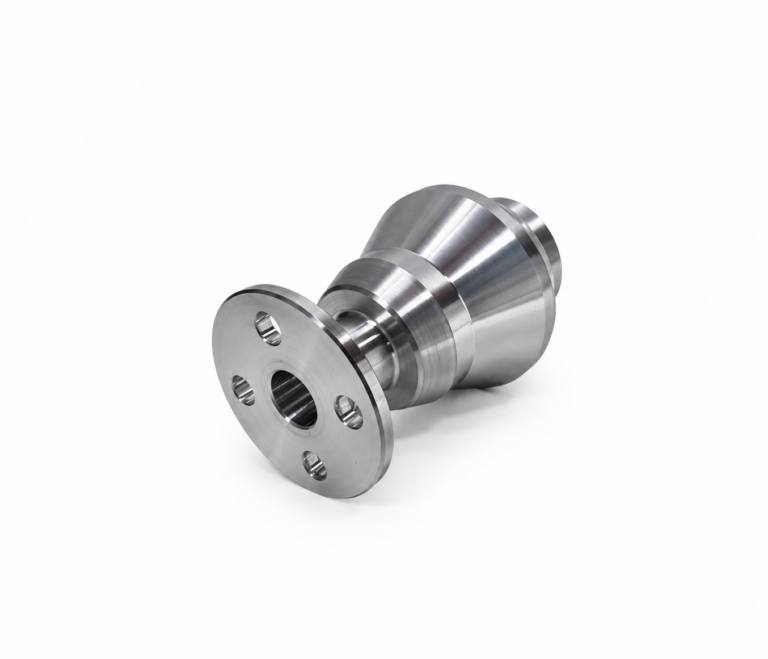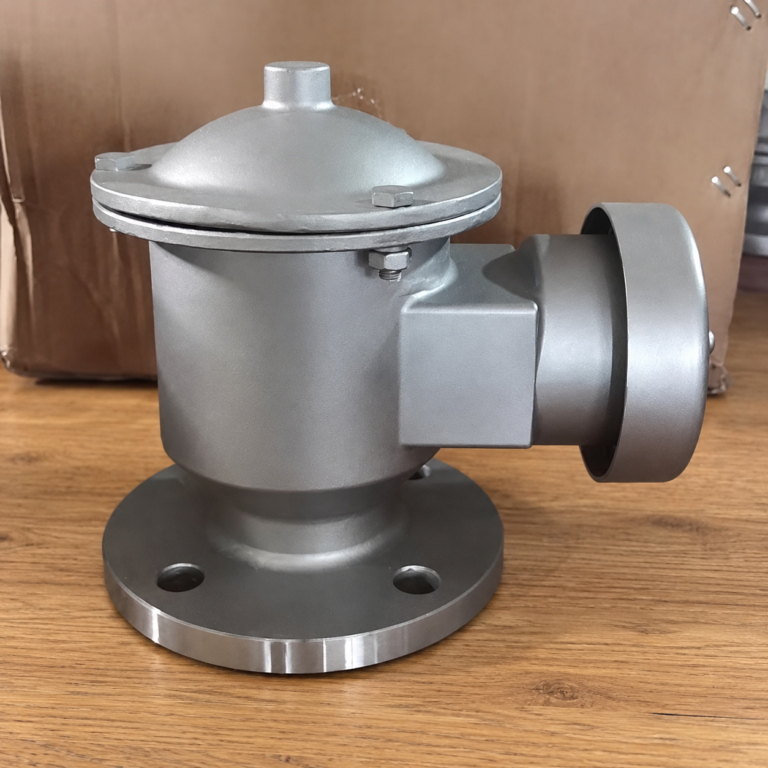
Machined Finish vs. Sandblasted Finish
What Is a Machined Finish?
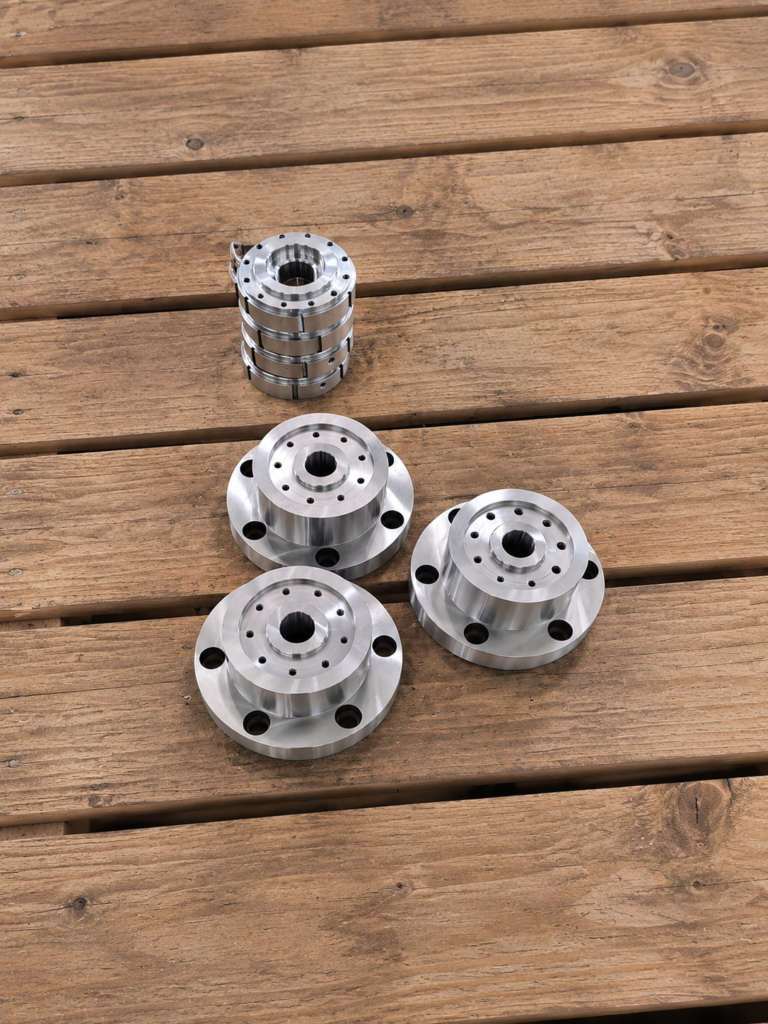
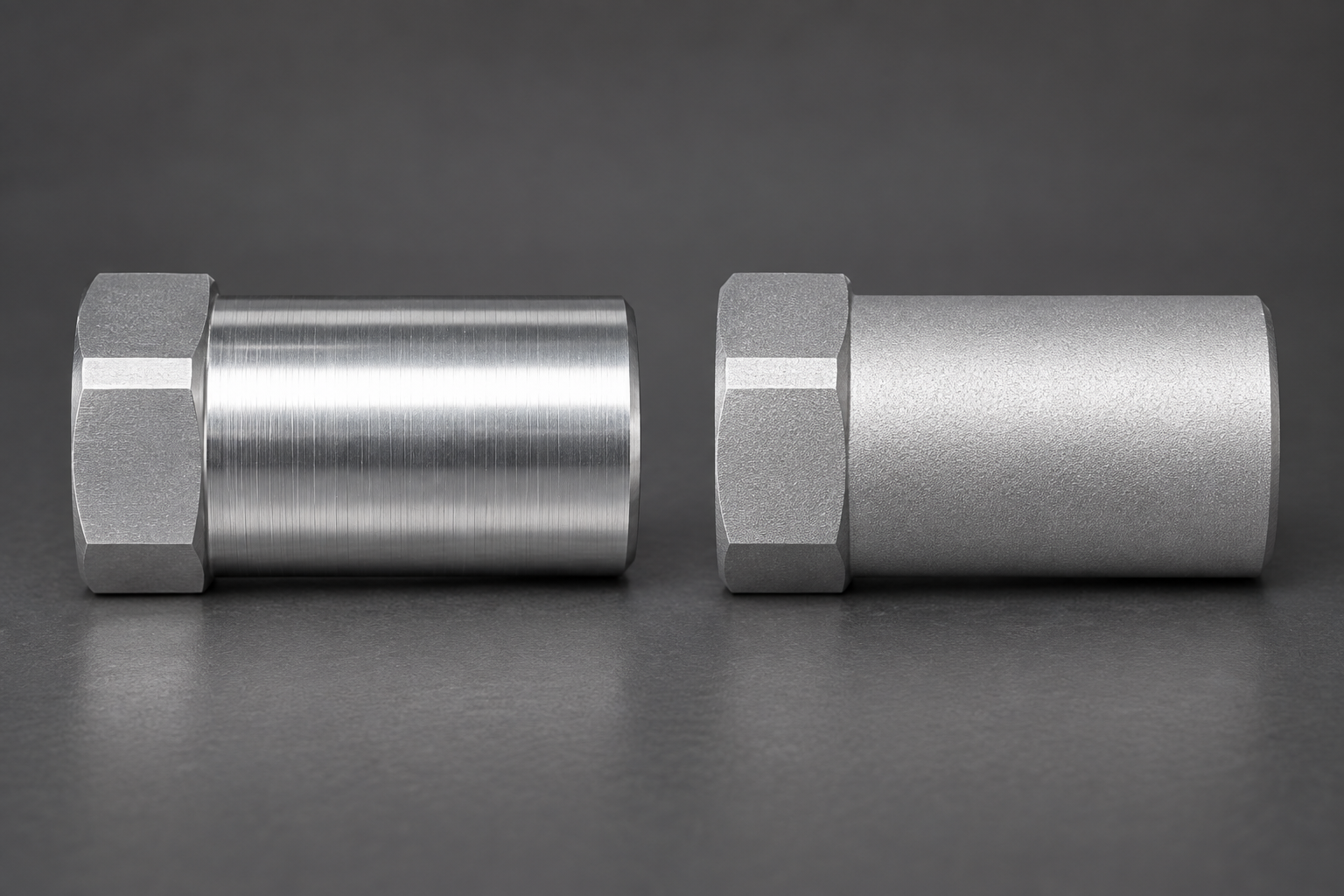
Machined finish vs sandblasted finish is a common comparison when selecting a surface treatment for CNC parts. A machined finish retains visible cutting marks, while sandblasting creates a more uniform matte texture.
Fine tool marks may remain visible. Their appearance depends on the material, cutting tool, machining parameters, and toolpath.
A machined finish is suitable for brackets, fixtures, internal components, and other parts where function is more important than appearance.
What Is a Sandblasted Finish
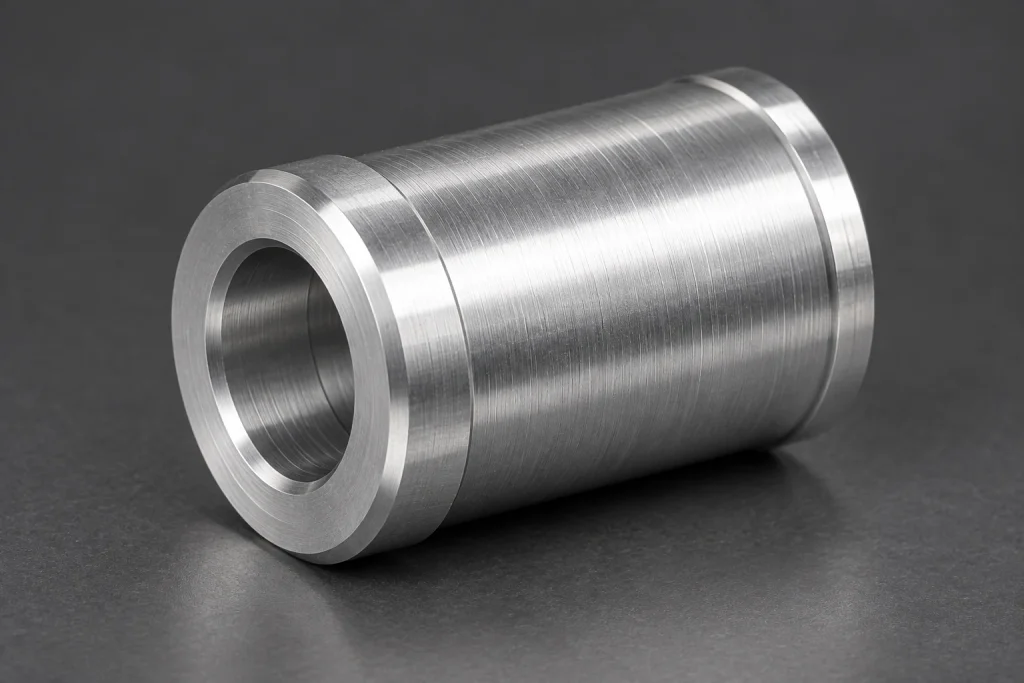
Sandblasting uses abrasive particles to create a uniform matte surface. Glass beads, aluminum oxide, ceramic beads, and other media may be used.
The final texture depends on the blasting medium, particle size, pressure, distance, and processing time.
Sandblasting is often used for aluminum housings, control panels, electronic products, camera parts, and other visible components.
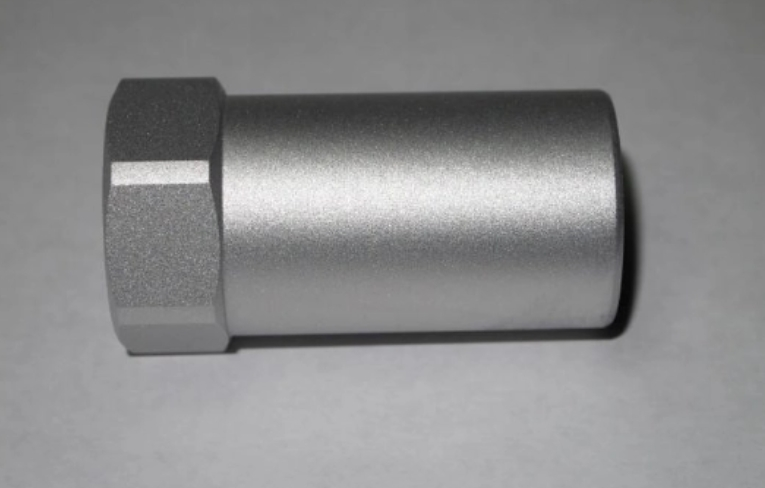
Machined Finish VS Sandblasted Finish: Main Differences
| Feature | Machined finish | Sandblasted finish |
|---|---|---|
| Appearance | Reflective with visible tool marks | Uniform matte texture |
| Cost | Lower | Higher |
| Lead time | Shorter | Longer |
| Dimensional impact | Minimal | May affect precision surfaces |
| Edge definition | Better preserved | May be slightly softened |
| Typical use | Functional parts | Cosmetic par |
Does Sandblasting Affect Dimensions?
Sandblasting may remove or displace a small amount of surface material. The effect is usually minor, but it can matter on precision features.
The following areas may need masking:
- Bearing bores
- Precision shafts
- Threads
- Sealing surfaces
- Press-fit features
- Electrical contact points
- Datum surfaces
Masking requirements should be clearly marked on the technical drawing.
Which Finish Should You Choose?
Choose a machined finish when:
- The part is mainly functional
- Tool marks are acceptable
- Tight tolerances are important
- Lower cost is preferred
- A fast prototype is required
Choose a sandblasted finish when:
- A uniform matte appearance is required
- The part is visible to the user
- Machining marks should be reduced
- Glare needs to be minimized
- The part will be anodized or coated
Frequently Asked Questions
Is sandblasting the same as bead blasting?
Bead blasting is one type of abrasive blasting. It commonly uses glass beads to create a smooth matte appearance.
Is a sandblasted surface smoother?a
Not necessarily. It may look more uniform but have a higher measured surface roughness than a fine-machined surface.
Can sandblasting completely remove machining marks?
It can reduce fine tool marks, but deep scratches, chatter, and cutter marks may remain visible.
Does sandblasting increase CNC machining costs?
Yes. It requires an additional process and may also require masking, inspection, and special handling.
Conclusion
A machined finish is economical, dimensionally predictable, and suitable for functional CNC parts. A sandblasted finish provides a more consistent matte appearance and is better for visible or anodized components.
When selecting a finish, consider appearance, tolerances, masking requirements, cost, and subsequent surface treatments.