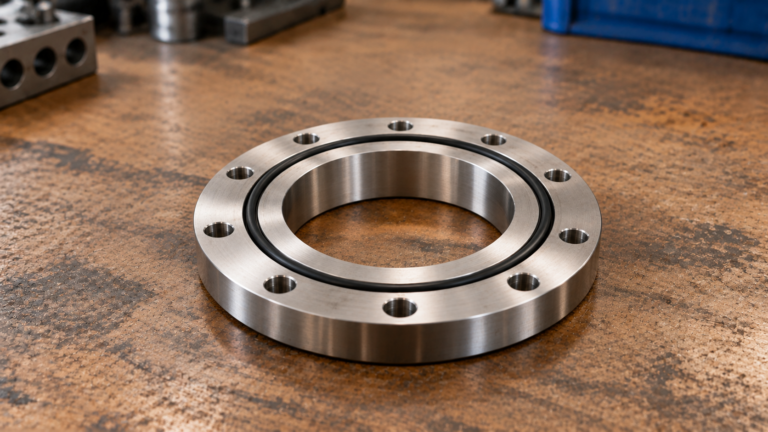
Precision Machining Services for the Medical Industry in Minneapolis
An Overview of Precision Machining for Medical Devices
When evaluating suppliers for precision medical device components, start by reviewing blueprints, machining setups (workholding), dimensional and geometric inspections, surface requirements, and delivery records; clarify acceptance criteria before comparing price quotes.
Medical device component machining, precision parts, supplier evaluation, blueprint review, in-process inspection.
Recommendations for medical device machine shops: How to avoid pitfalls in precision component machining?
When sourcing precision components for medical devices, engineering and procurement teams often focus on a single question: Can the supplier translate blueprint specifications into actionable, verifiable machining and inspection plans?
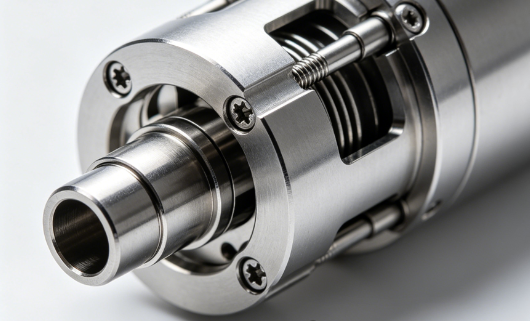
Do not rely solely on equipment lists, the appearance of samples, or a single price quote. Evaluations should holistically consider the relationship between materials and intended use, machining routes, workholding methods, inspection protocols, and delivery history. Dimensions, fits, geometric tolerances, and surface textures should be confirmed individually; avoid conflating different types of requirements into a vague instruction like “machine as a precision part.”
I. Clarify blueprint specifications before comparing machining quotes
It is advisable to ask candidate suppliers to submit a list of items requiring clarification before quoting—specifically regarding material condition, scope of supply, critical fits, and acceptance criteria. For dimensions lacking specific tolerances, verify the general tolerance standards and applicable conditions cited in the technical documentation; do not arbitrarily assign allowable deviations.
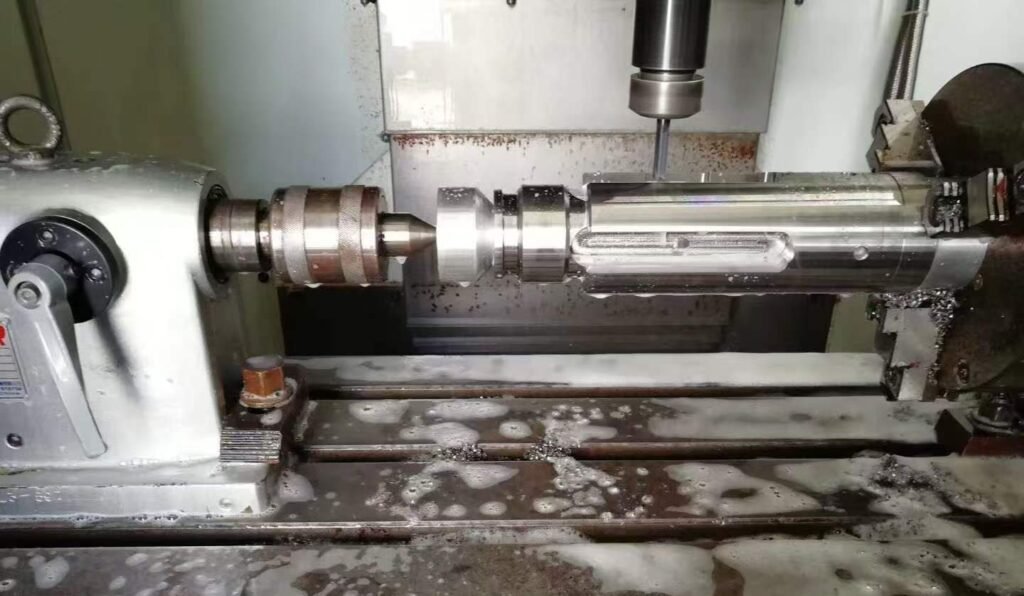
II. Ensure machining processes and workholding align with critical requirements
While equipment lists serve as a starting point for communication, procurement evaluations should also require suppliers to detail their proposed machining routes, datums, and verification steps. Specific plans must be confirmed against blueprints and actual requirements; do not judge suitability for machining based solely on equipment names.
III. Assess dimensional compliance and assembly relationships separately
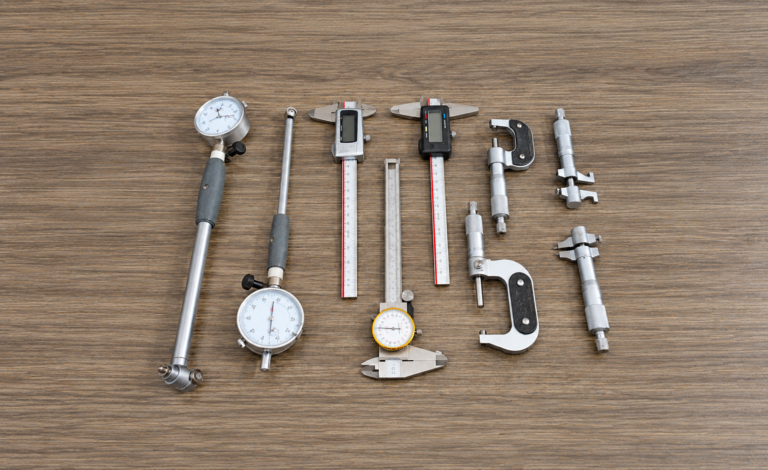
Structure inspection discussions around functionality: identify which dimensions affect fits, which geometric relationships impact assembly, and which items require in-process verification. Linear dimensional tolerances and geometric tolerances represent distinct technical requirements; a single dimensional measurement cannot substitute for the verification of form, orientation, or positional requirements.
IV. Define surface requirements as verifiable criteria
“Smooth surface” is a suitable starting point for discussion, but if acceptance is based on surface texture, the specific parameters, notations, and evaluation criteria must be clearly defined. Visual inspection results cannot be directly equated with surface texture measurements, nor is it appropriate for the manufacturer to unilaterally assign roughness values.
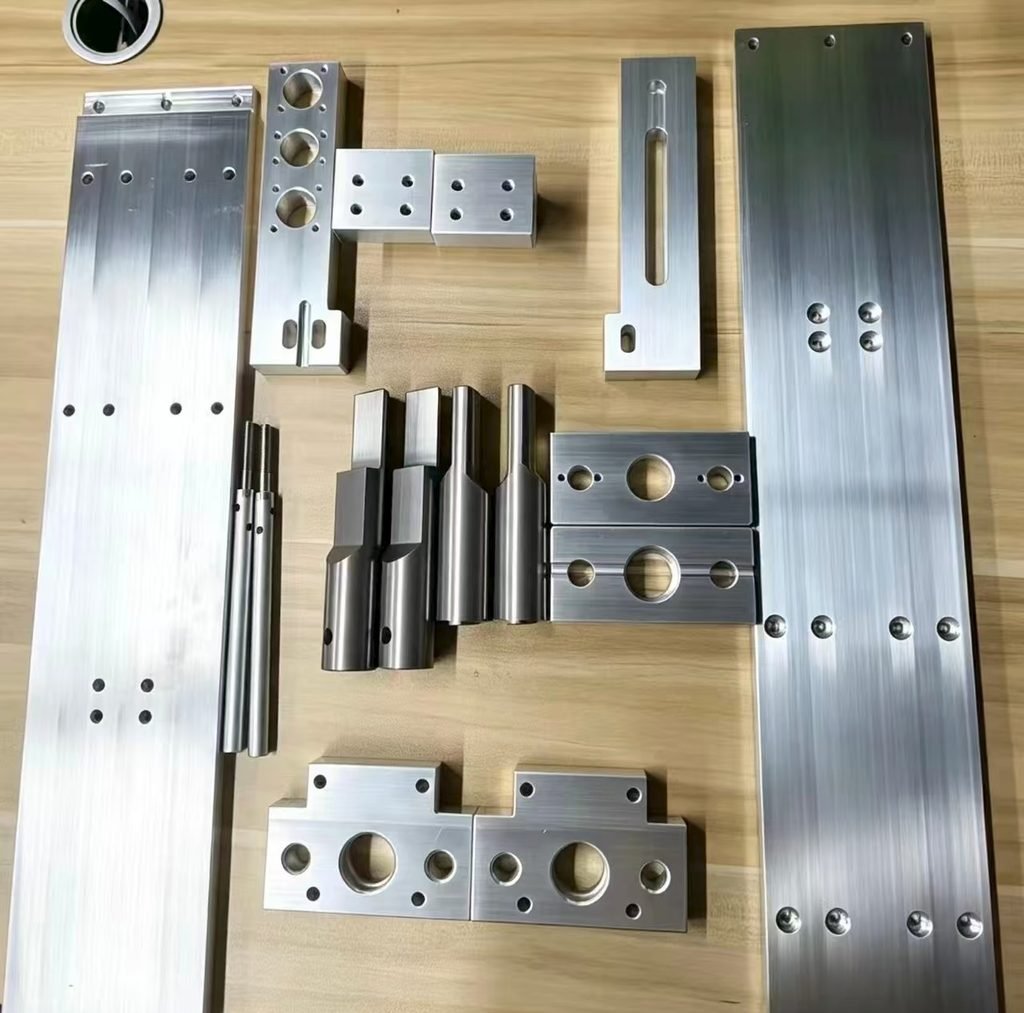
V. Retain records of confirmation and review for small-batch deliveries
For small-batch procurement, it is advisable to incorporate drawing revisions, technical clarifications, first-article inspection details, inspection records, and packaging requirements into the delivery agreement. Quotations should clearly specify what is included and what remains to be confirmed, facilitating a comparison of the actual scope of supply among different vendors.
Case Study: How to handle inquiries for parts with locating holes and mounting surfaces
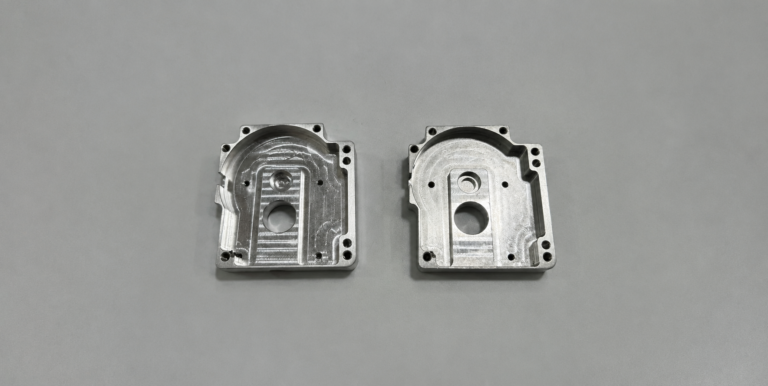
The following describes a typical collaborative scenario rather than a completed project. When dealing with parts featuring locating holes and mounting surfaces, ask candidate vendors to explain their methods for inspecting hole dimensions and the geometric tolerances of mounting surfaces, as well as how relevant datums are established. Such inquiries help distinguish between dimensional specifications and geometric relationship requirements.
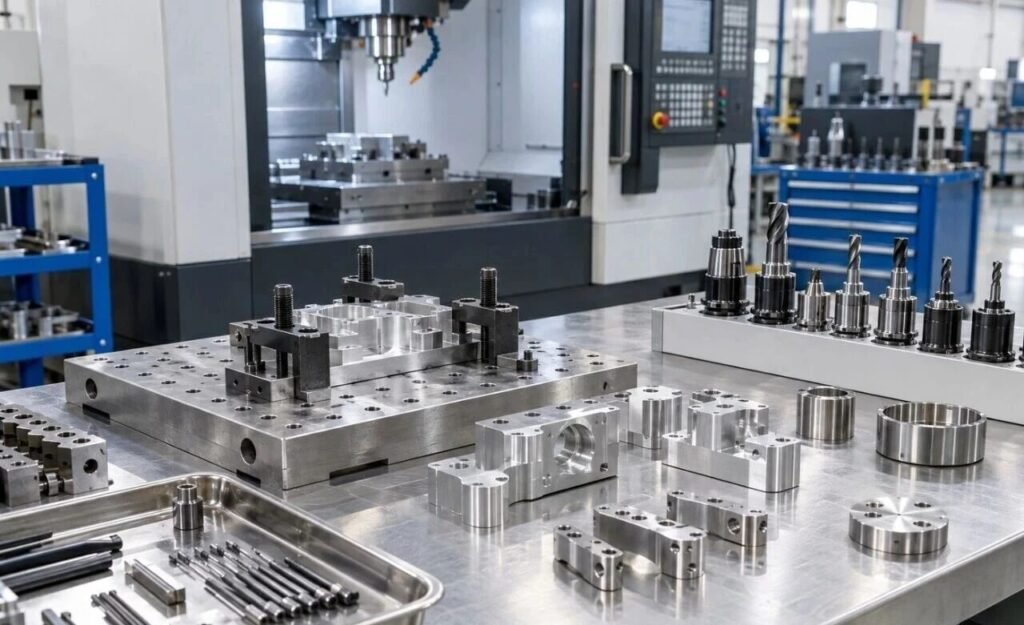
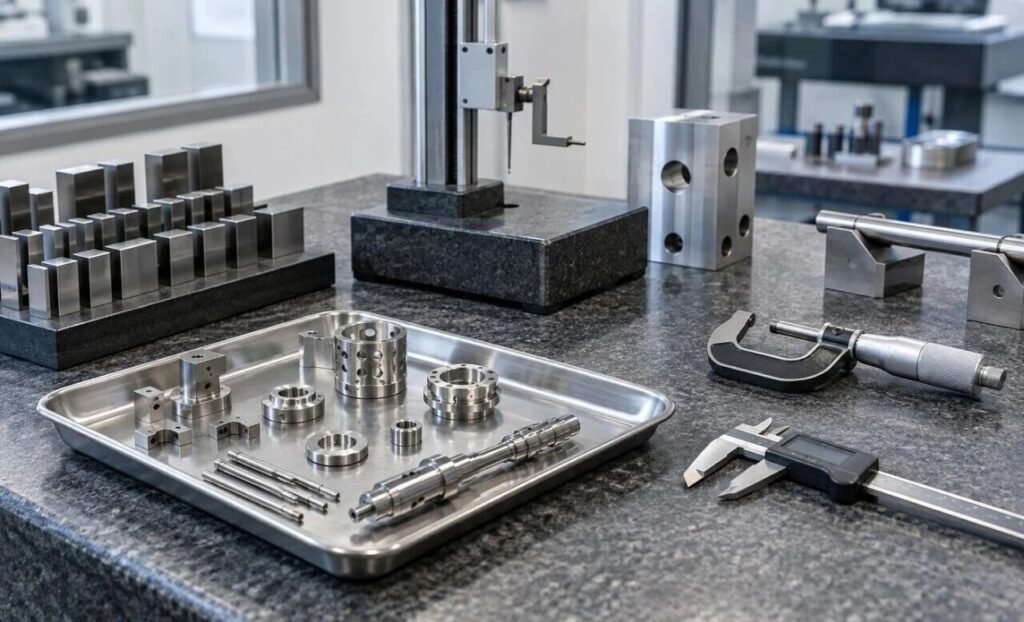
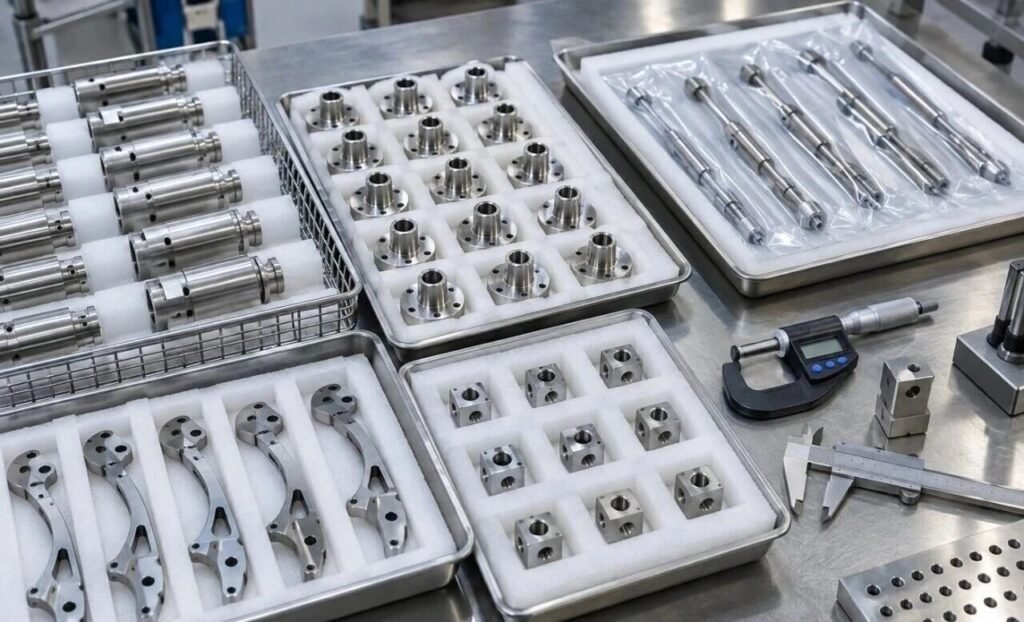
Subsequently, compare the technical queries, process plans, and scope of delivery documentation submitted by each party. If critical requirements remain unclear, list them as items requiring confirmation rather than relying on a vendor’s default interpretation as the basis for procurement.
Summary: Assess the foundation for cooperation through drawing reviews and inspection planning
When seeking suppliers for precision medical device components, prioritize those willing to clarify requirements, explain process choices, and provide inspection and delivery plans that align with the engineering drawings. Decisions regarding long-term partnerships should be based on project-specific reviews, in-process inspections, and process documentation; material specifications, capabilities, and acceptance criteria must all be confirmed against the drawings and actual requirements.