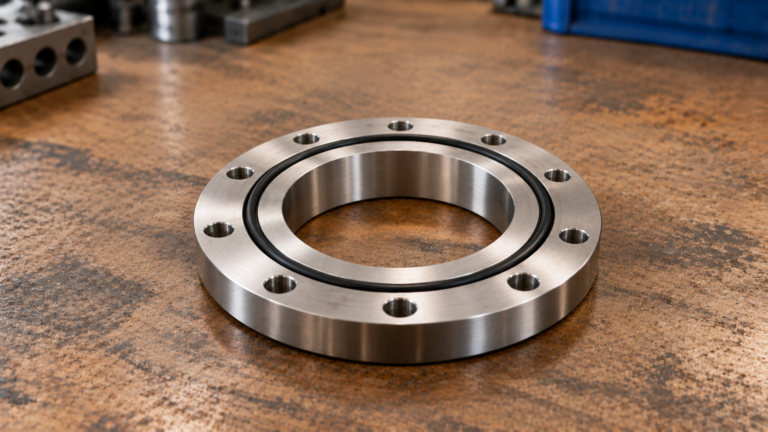
CNC Machining Process Standards (4-6)
4. Raw Material Procurement and Inspection
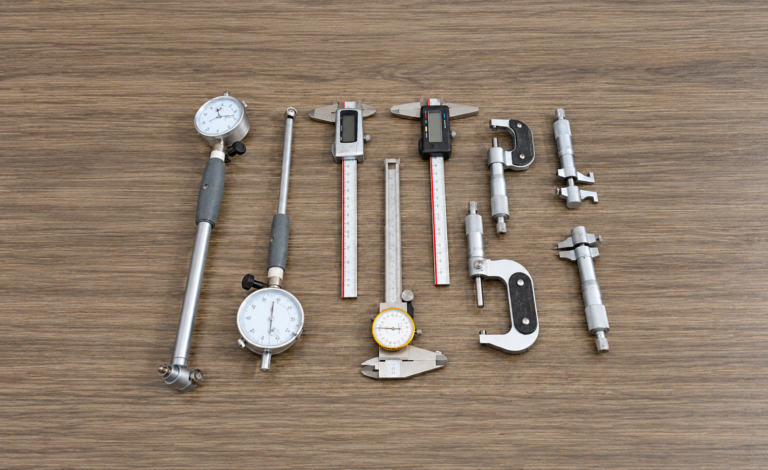
High-quality raw materials are sourced from trusted suppliers and undergo rigorous inspection procedures. This ensures that only materials meeting the required specifications are used in the manufacturing process, laying the foundation for high-quality final products.
5. Production and Measurement of CNC Fixtures
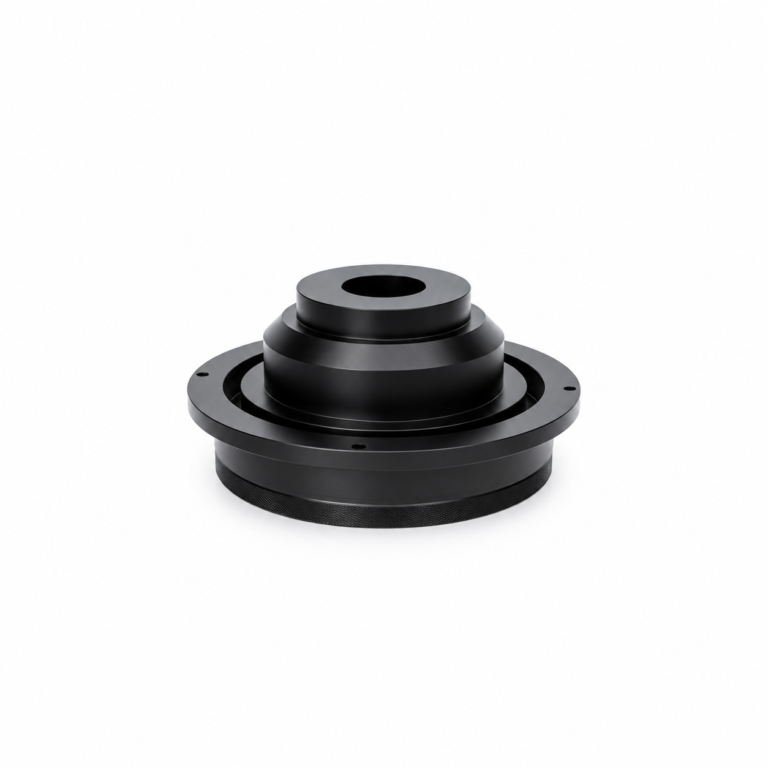
During the machining process, accurate clamping of parts is critical for maintaining part stability. Both the production and measurement of CNC fixtures are carried out with the highest precision to ensure consistent and reliable machining results.
6. CNC Rough Machining
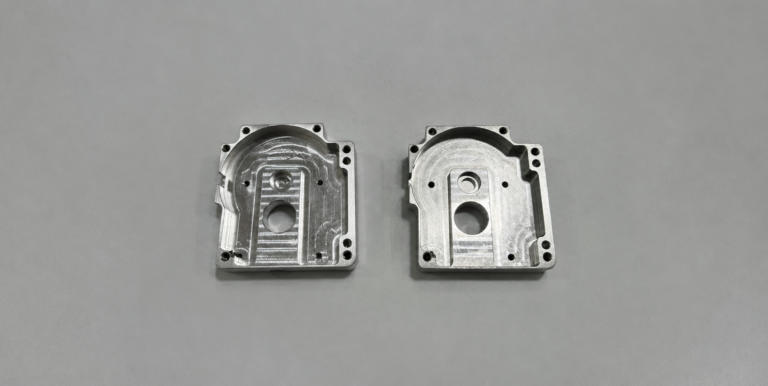
Rough machining, which gives parts their initial shape, is a key step in the machining process. It efficiently removes excess material while laying the foundation for subsequent precision machining operations.
CNC Machining of Mechanical Parts
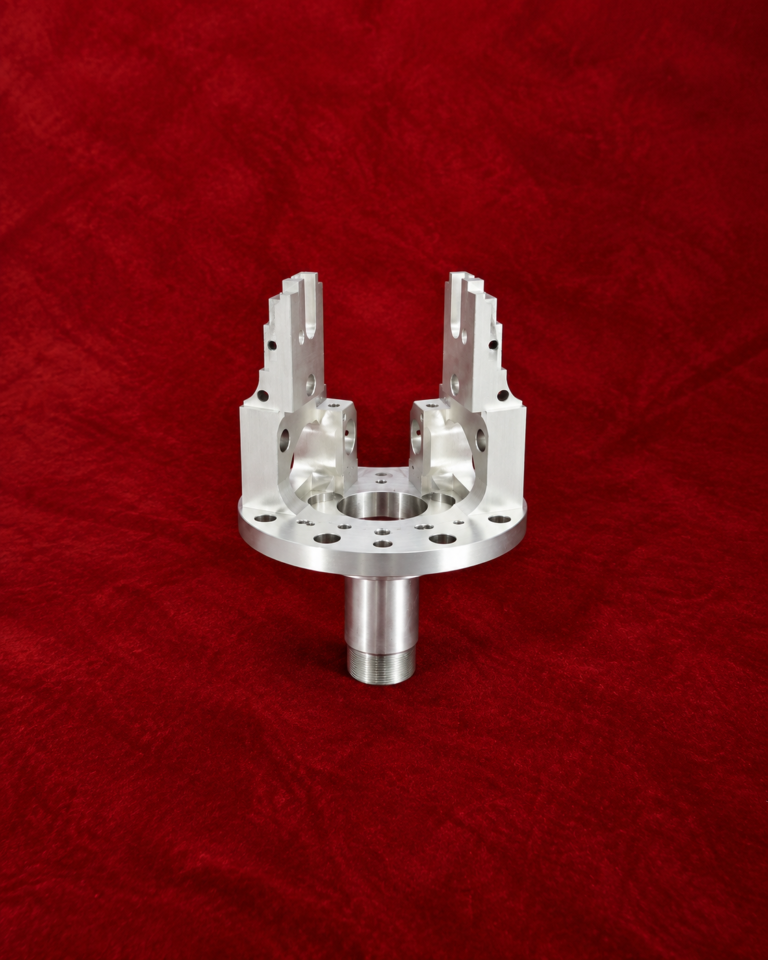
CNC machining of mechanical parts is an automated manufacturing process that uses computerized controls to cut away material from a solid block to create precise components.
How It Works
CAD to CAM: A digital 3D model is created in CAD software and then turned into G-code via CAM software to guide the machine.
Material Removal: High-speed tools cut away excess material from a fixed or rotating raw metal or plastic stock.
Common Operations: Includes milling (moving tools on multiple axes), turning (spinning the part on a lathe), and drilling.
Key Benefits
High Precision: Achieves tight tolerances down to fractions of a millimeter.
Material Variety: Works with structural metals like aluminum, steel, and titanium, as well as engineering plastics.
No Tooling Needed: Ideal for fast prototypes and small production batches without expensive molds.