23 Types of Milling Operations—(9–12)
9. Micro-milling is an advanced manufacturing process that uses small, high-precision cutting tools to machine intricate structures on workpieces. This technology employs CNC milling machines equipped with micro end mills and drills, combining high-speed spindle rotation with precise tool control to achieve surface finishes with high dimensional accuracy. Common Applications Electronics Industry: Manufacturing of microelectronic components such as printed circuit boards Medical Devices: Production of micro-medical implants and surgical instruments Aerospace: Machining of precision and complex parts for the aerospace industry Process Advantages Extremely high precision: Capable of machining ultra-small structures as small as a few micrometers Excellent surface quality: Machined surfaces are smooth and require no additional surface treatment

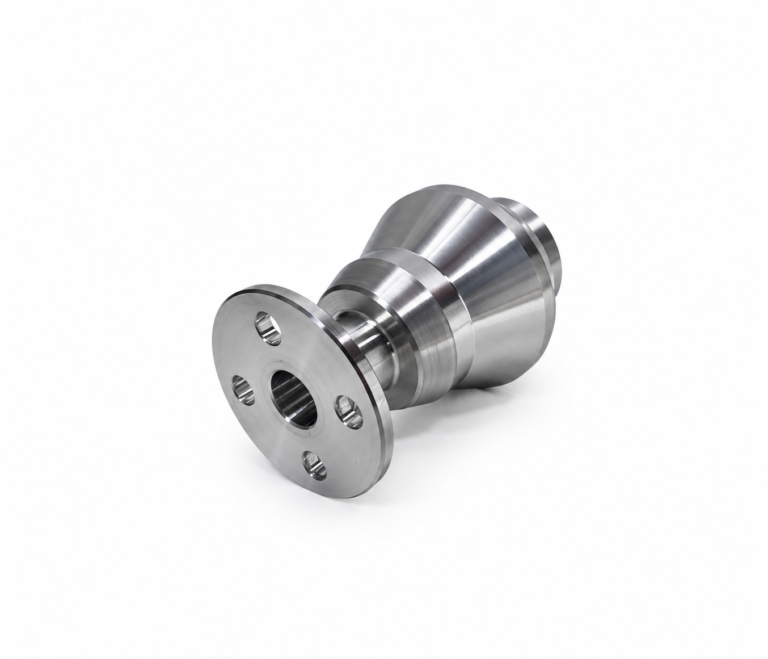
10. Cylindrical Milling: A cylindrical milling cutter rotates along the workpiece surface to machine cylindrical features. This process can be performed on both vertical and horizontal milling machines and is similar to the turning process (in turning, the workpiece rotates against the tool, whereas in cylindrical milling, the milling cutter rotates along the cylindrical surface to cut the material). Common Applications: Roller manufacturing: Production of rollers for printing and industrial equipment; Automotive parts: Machining of cylindrical parts such as camshafts and crankshafts; General machining: All applications requiring cylindrical surface cutting. Process Advantages: High efficiency: Fast material removal rate with lower tool wear compared to other milling methods; High consistency: High dimensional accuracy of machined cylindrical surfaces.
11. Plunge milling is a concentrated milling process in which the cutting direction is primarily vertical, supplemented by horizontal cutting, and the cutting edge of the tool is mainly the end face rather than the side face. This process involves the tool entering the workpiece axially and is commonly used for deep cavity machining in mold manufacturing. Specialized CNC machines are equipped with powerful control systems to handle the enormous cutting forces generated during plunge milling. Common Applications Mold Manufacturing: Machining deep cavities in mold blanks Mold Production: Machining specific channels and openings in molds Aerospace Components: Cavity milling in aerospace structural parts Process Advantages Low Vibration: Reduces lateral cutting forces, minimizing vibration and chatter Superior Surface Quality: Controllable cutting process ensures a smooth machined surface

12. Combination milling is a process in which multiple milling cutters are mounted on a single spindle to machine multiple surfaces simultaneously. This method completes multiple milling operations with a single workpiece feed, significantly improving production efficiency. The equipment used has a complex structure and requires precise calibration to ensure tool alignment accuracy and cutting precision. Common Applications Production Line Machining: Rapid machining of multiple features in high-volume production Automotive Parts: Manufacturing of complex parts such as transmission housings Furniture Manufacturing: Efficient machining of grooves in wooden furniture components Process Advantages High Production Efficiency: Multiple cutters operate simultaneously, significantly increasing milling speed Versatility: A single feed can machine various geometric structures, offering high flexibility