How Our CNC Machining Workshop Is Organized
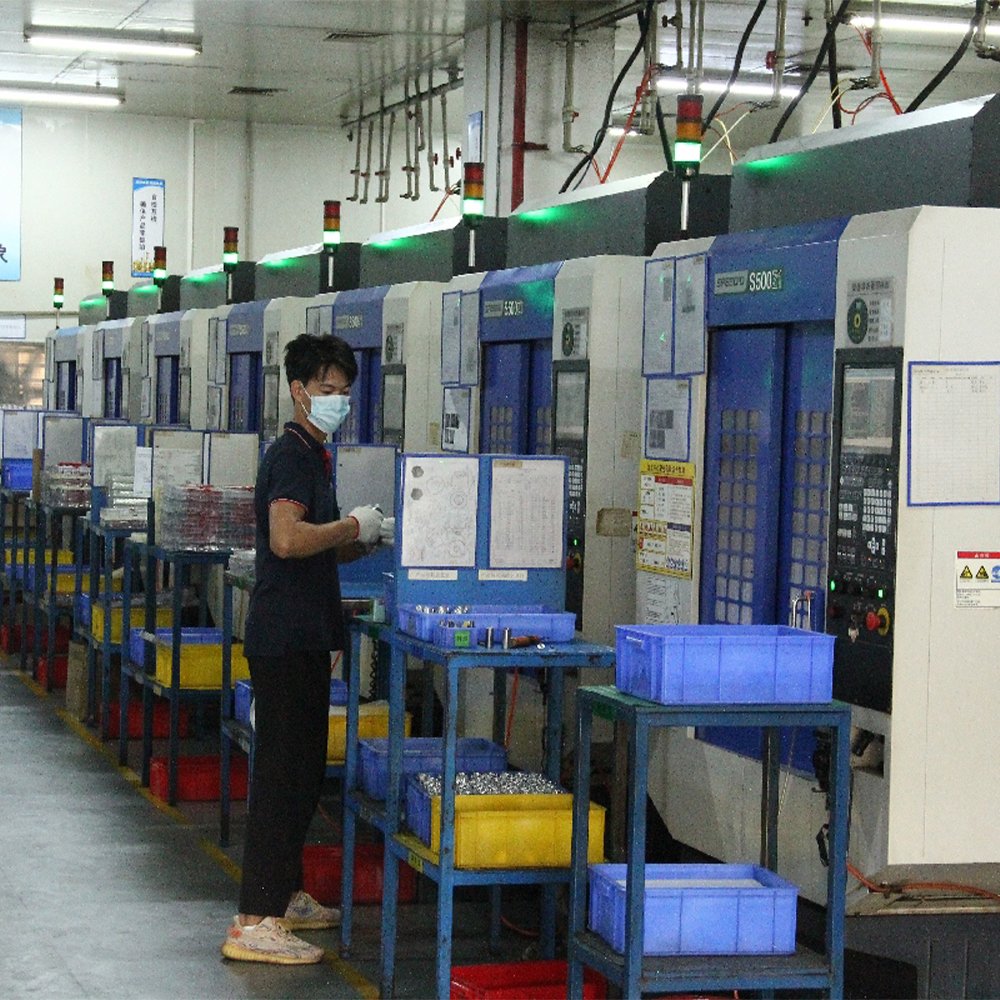
Our CNC machining workshop layout is designed to improve production efficiency, protect parts, maintain quality, and complete orders on schedule.
At iPrecision CNC, our workshop is divided into areas for material preparation, CNC turning, CNC milling, five-axis machining, inspection, finished-part storage, and packing. This creates a clear production flow from incoming material to shipment.
Why Workshop Layout Matters
A practical CNC machining workshop layout helps us:
- Move materials and parts efficiently
- Keep different orders properly identified
- Prevent parts from being mixed
- Reduce unnecessary handling
- Support in-process inspection
- Maintain a clean and safe workplace
Each area has a specific purpose and connects directly with the next production stage.
Material Preparation Area
Production begins in the material preparation area.
Incoming materials are checked for grade, size, and quantity according to the order requirements. They are then identified and prepared for machining.
Keeping material preparation separate from production helps prevent different materials from being mixed.
CNC Turning Area
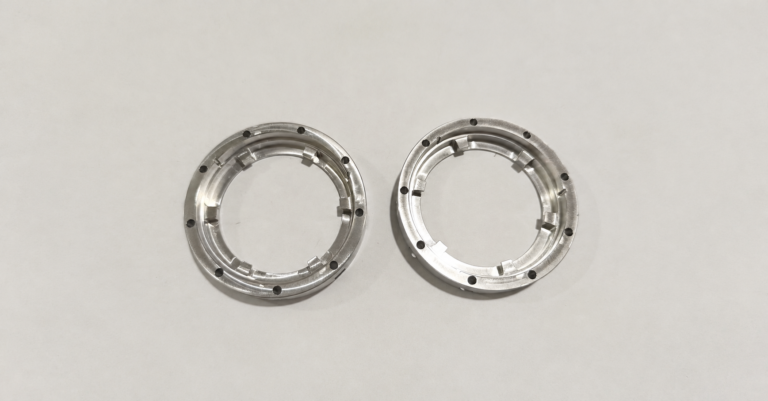
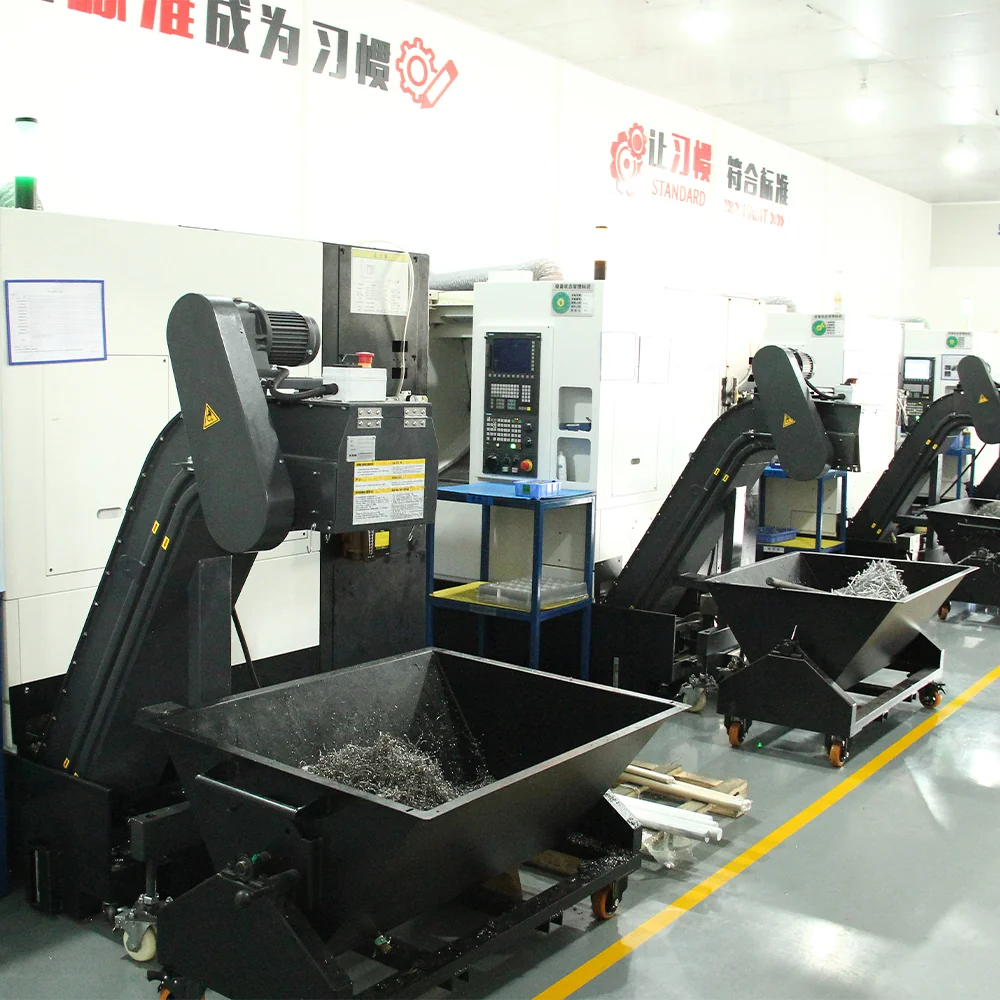
The turning area produces cylindrical parts such as shafts, pins, bushings, sleeves, connectors, and threaded components.
Machines are arranged with enough space for setup, tool changes, measurement, and material handling. Tools and workpieces are kept in designated locations for efficient production.
CNC Milling and Five-Axis Areas
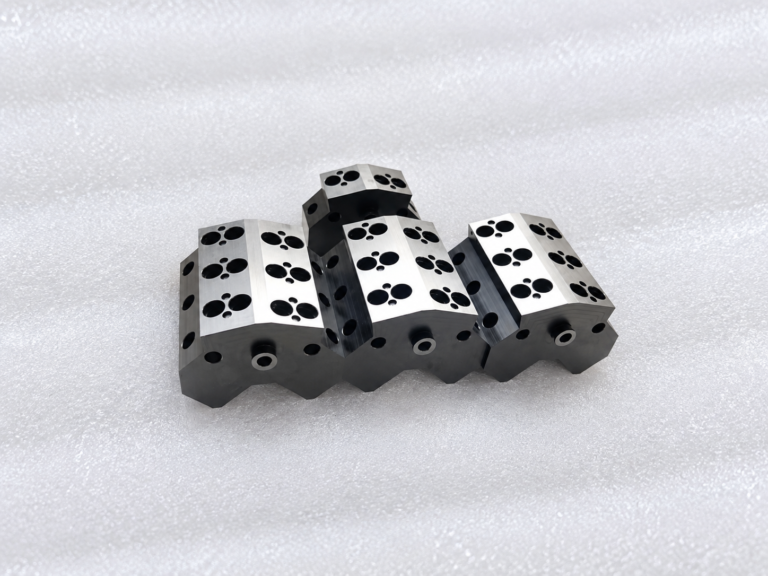
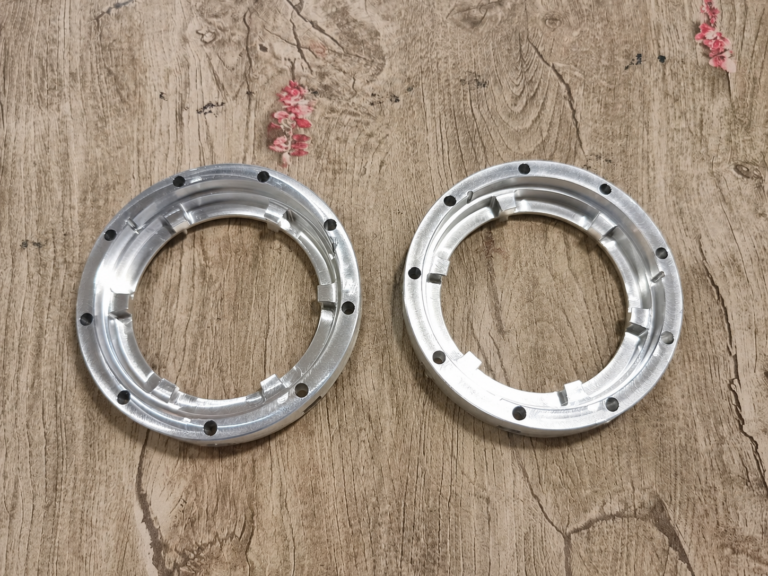
The CNC milling area produces housings, brackets, plates, fixtures, and parts with holes, pockets, slots, threads, and complex profiles.
Parts waiting for machining and completed parts are stored separately to reduce confusion.
Complex components are assigned to the five-axis machining area. Five-axis equipment is suitable for parts with multiple surfaces, angled holes, curved profiles, and demanding positional requirements.
In-Process and Final Inspection
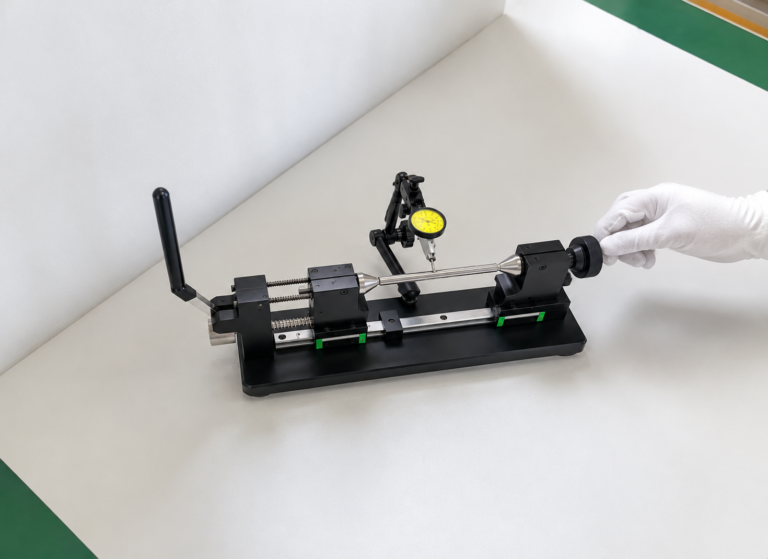
Operators check important dimensions during machining. This helps identify dimensional changes early and reduces batch-production risks.
Common measuring tools include calipers, micrometers, height gauges, bore gauges, thread gauges, and surface roughness testers.
After machining, parts move to the quality inspection area. Inspectors check dimensions, tolerances, holes, threads, surfaces, and appearance according to the approved drawings.
Inspection reports can be provided when required.
Finished-Part Storage and Packing
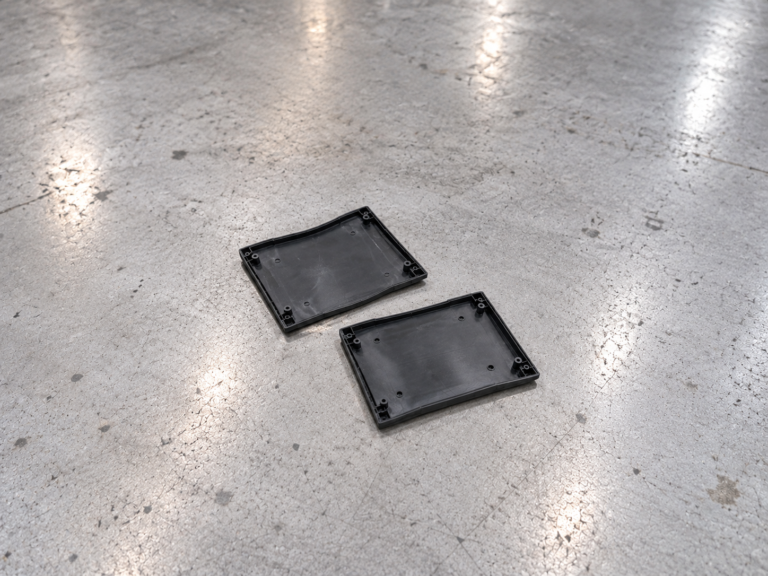
Approved parts are stored separately before packing. Protective bags, trays, foam, or wrapping materials help prevent scratches and part-to-part contact.
Before shipment, we confirm the part number, quantity, inspection status, and delivery requirements.
Packaging is selected according to the part material, size, weight, surface finish, and shipping method.
Clean and Safe Working Environment
Clear walkways, designated storage areas, regular cleaning, and machine maintenance are part of our daily workshop management.
Metal chips and production waste are removed regularly, while tools and materials are returned to their designated locations.
This organized environment helps parts move efficiently through the factory.
From Material to Shipment
Our workshop follows a clear production flow:
Material preparation → CNC machining → In-process inspection → Final inspection → Finished-part storage → Packing and shipment
This layout helps us manage prototypes, small batches, and repeat production orders with reliable part identification and quality control.
Start Your CNC Machining Project
Send us your drawings, material, quantity, tolerances, surface finish, and inspection requirements. The iPrecision CNC team will review your project and provide a practical quotation.