Black Anodized Aluminum Color Consistency Case Study
Project Overview
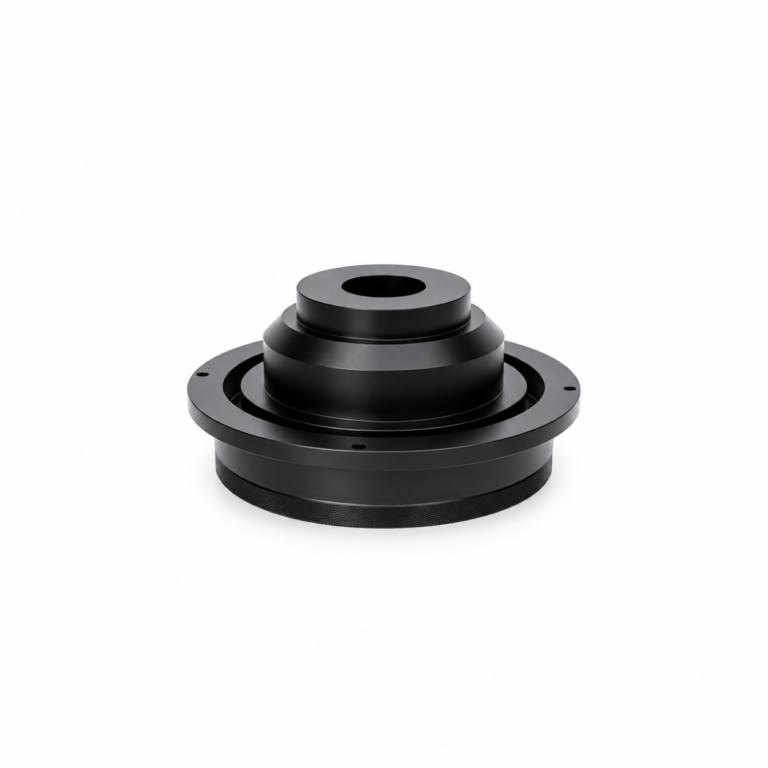
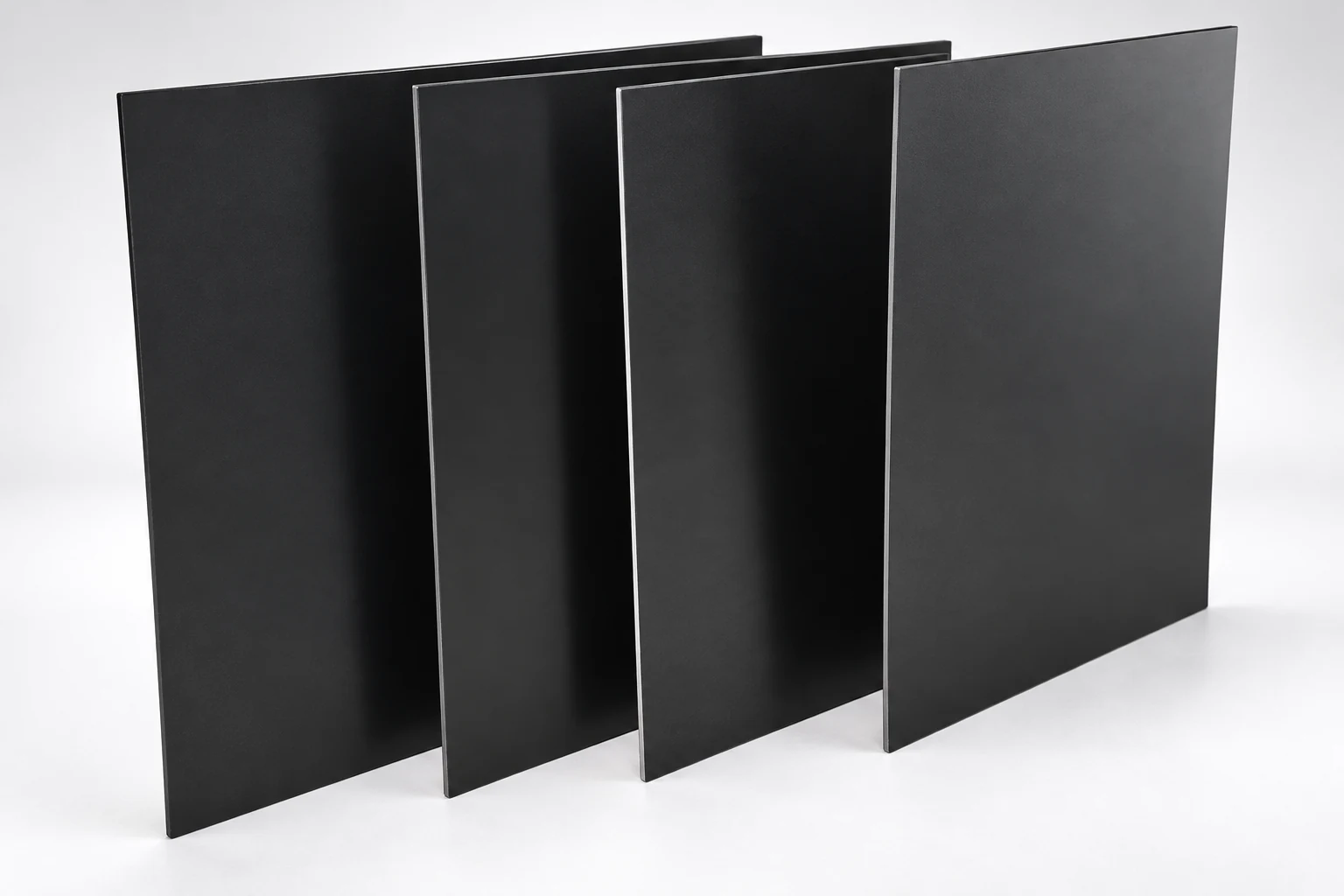
Black anodized aluminum color consistency was the main challenge in this manufacturing project. A manufacturer needed matte black front panels for precision electronic equipment, and several panels were installed side by side, making small differences in shade, gloss, and brushing direction easy to see.
Each panel met its dimensional requirements and looked acceptable by itself. During assembly, however, panels from different batches did not always look like a matched set. Some appeared slightly grayer, while others reflected light differently.
The project required more than a general “black anodized” specification. The finish needed to be repeatable across adjacent panels and future production orders.
The review identified four main causes.
Why the Panels Did Not Match
The review identified four main causes.
Material Variation
The panels used the same nominal aluminum alloy but came from different production lots. Small differences in composition and metallurgical condition can affect how aluminum responds to etching, anodizing, and dyeing.
Inconsistent Surface Finishing
Some parts received more manual blending than others. Although the unfinished panels looked similar, anodizing made differences in texture and brushing direction more visible.
Separate Anodizing Loads
Panels intended for one assembly were not always anodized together. Differences in rack position, load density, dye conditions, and sealing contributed to batch-to-batch variation.
Subjective Inspection
Panels were checked under different lighting and in different orientations. Without an approved reference sample, there was no consistent visual acceptance standard.
The Manufacturing Solution
Control the Material Lot
Material for each matched set was reserved from the same supplier, alloy, temper, product form, and production lot. Traceability was maintained from the raw blank through machining, anodizing, inspection, and packing.
When a new material lot was required, a first-off panel was finished and approved before full production began.
Standardize Machining and Brushing
The same CNC toolpath, cutting tools, coolant practice, and final-facing method were used for all matching panels. Deburring was controlled to avoid visible local rework around holes and engraved features.
The drawing specified the brushing direction. Abrasive type, grit, pressure, and pass direction were standardized. If rework was necessary, the complete cosmetic surface was refinished instead of blending only one area.
Approve a Reference Panel
A representative panel was produced using the actual material, machining route, surface preparation, and anodizing process. After customer approval, it became the master appearance sample.
The sample gave the machine shop, anodizing supplier, and customer a shared standard for color, gloss, and texture.
Lock the Anodizing Process
The supplier documented the approved pretreatment, anodizing, black dye, and sealing conditions. Matching panels were placed in consistent rack positions, with contact points outside the visible surface.
Panels installed together were processed in the same load whenever practical. Key controls included coating thickness, bath temperature, dye concentration, pH, immersion time, sealing, and load identification.
Define Inspection Conditions
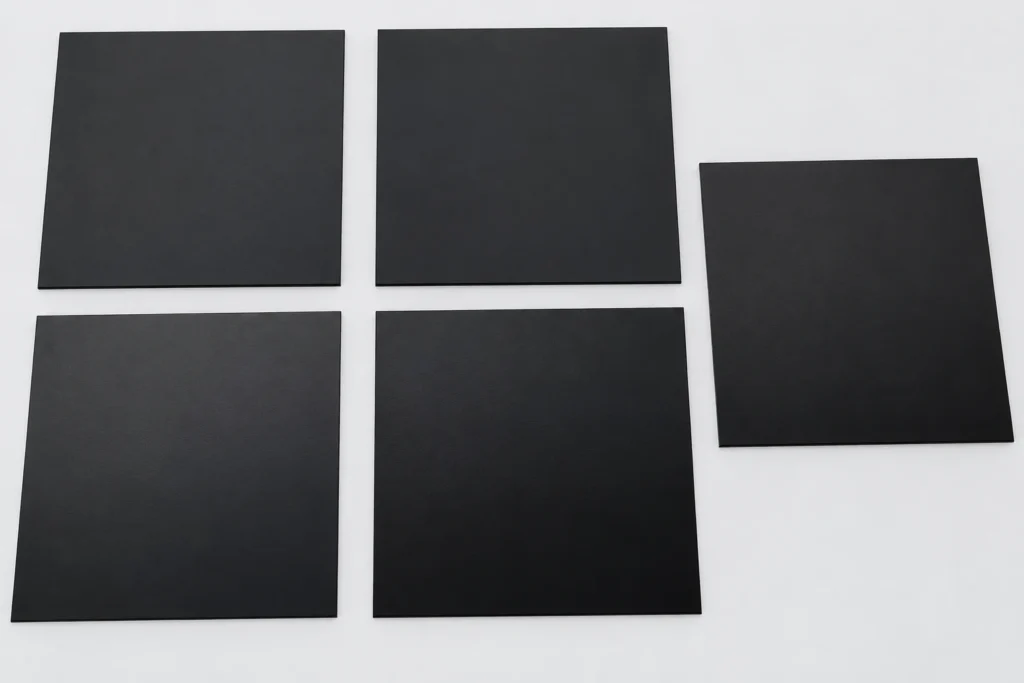
Panels were inspected as complete sets under a stable light source, against a neutral background, and in their intended assembly orientation. They were compared with the approved master sample.
A spectrophotometer helped monitor color variation, while gloss was checked separately. The acceptance range was based on approved samples and defined viewing conditions rather than an arbitrary color-difference limit.
Keep Matched Sets Together
After approval, matching panels remained grouped. Clean gloves and non-abrasive separators prevented fingerprints and rub marks. Labels preserved the material lot, anodizing load, and installation orientation through packing and assembly.
Result
After these controls were introduced, visible batch-to-batch variation was reduced and repeat orders became more predictable. Panels were evaluated and shipped as complete sets instead of unrelated individual parts.
Full traceability also simplified troubleshooting. Any concern could be linked to a specific material lot, machining route, anodizing load, and inspection record.
The project confirmed that black anodized aluminum color consistency does not depend on the dye bath alone. It requires coordinated control from raw material selection through final packing.
Conclusion
Black anodized panels can meet every dimensional requirement and still fail visually when installed together. Using one controlled material lot, standardizing machining and brushing, approving a physical reference sample, processing matched parts together, and inspecting under defined conditions creates a more stable and repeatable finish.
For matching faceplates, control panels, or enclosure parts, appearance requirements should be reviewed before production. Early planning makes color consistency easier to achieve and reduces the risk of costly rework.