Stepped Diameter and Axial Oil Hole Machining of Track Roller Shafts
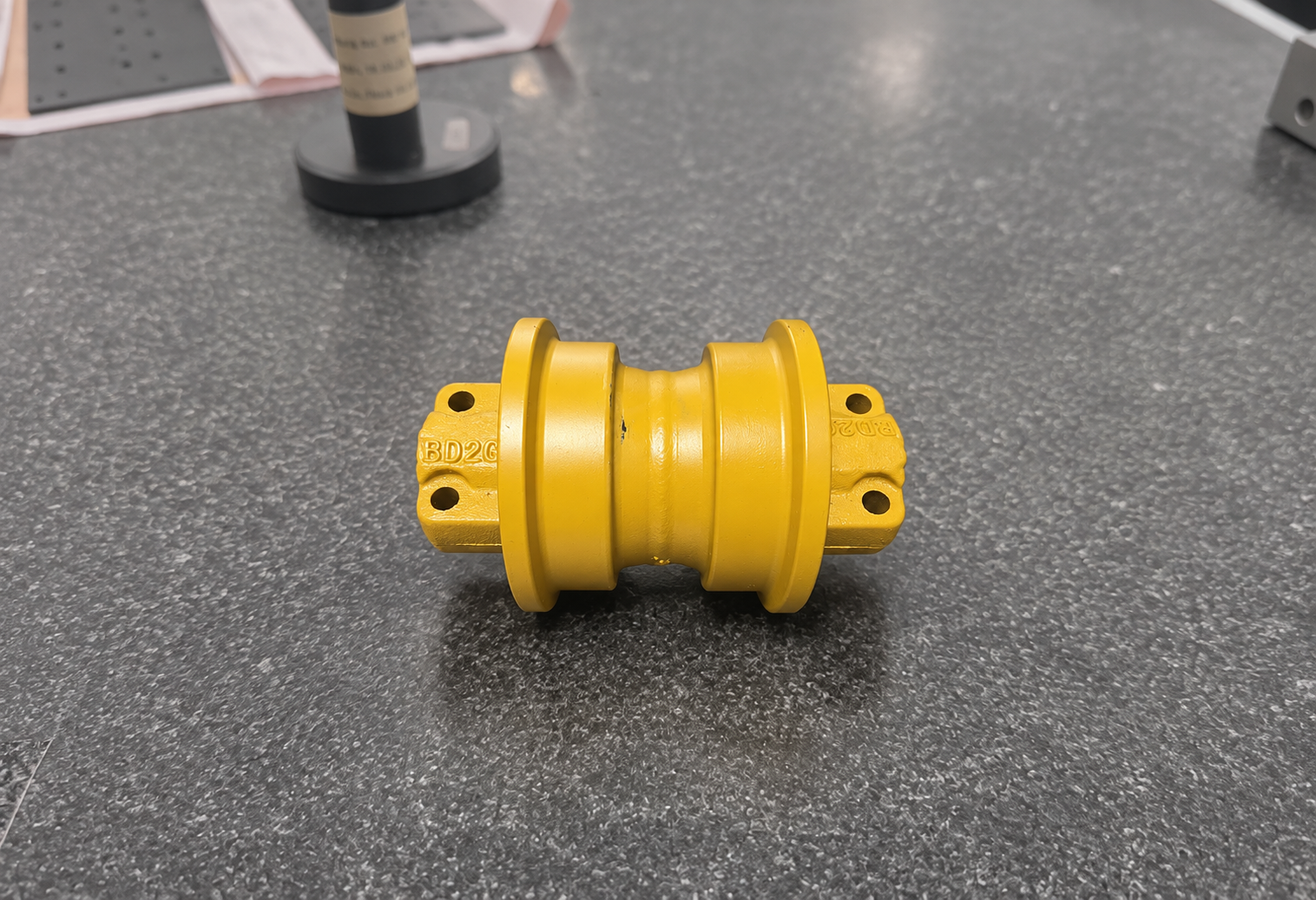
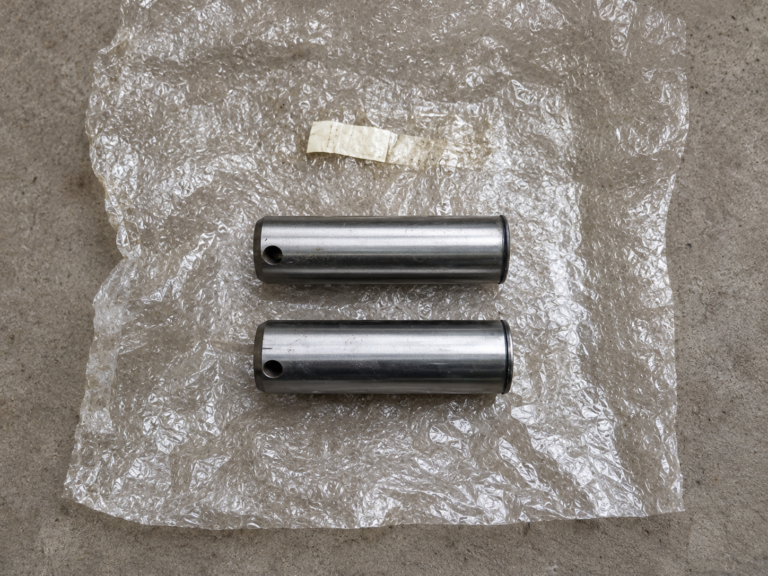
Track roller shaft CNC machining produces the central support used inside excavator, bulldozer and crawler-crane undercarriage rollers. The shaft commonly combines bearing journals, seal seats, locating shoulders and an axial hole that carries or stores lubricant.
The oil passage must follow the shaft center without weakening the surrounding stepped sections. Its drilling sequence is therefore planned before the smaller outside diameters are fully finished.
Establish the Drilling Axis
The shaft blank is faced while held in a chuck and supported by a tailstock or steady rest. A center drill creates the starting position for the axial passage.
The first outside section is rough turned to provide a straight reference for later support. Enough material remains on the bearing and seal areas so they can be finished after deep-hole drilling.
A short pilot hole guides the longer drill and reduces the chance of movement at the entrance.
Drill the Axial Oil Passage
The oil hole is drilled along the shaft center in controlled feed cycles. Regular retraction clears chips and allows cutting fluid to reach the drill tip.
For a long passage, a gun drill or other deep-hole tool may replace a standard twist drill. The shaft rotates while the tool follows the established center, helping the hole remain aligned with the outer axis.
Some designs use a blind passage entering from one end. Others are drilled from both ends when the total shaft length exceeds the available tool reach.
The hole depth is completed before the outside steps become thin enough to deflect under drilling force.
Turn the Bearing and Seal Steps
After drilling, the shaft is supported close to the cutting area. Rough turning forms the main diameter changes, leaving allowance on the functional journals.
Bearing seats, bushing surfaces and seal journals are then finished in separate passes. Each shoulder controls the axial position of a roller, bearing or sealing component.
Chamfers are added where seals must pass over a diameter during assembly. Sharp steps are avoided in these areas because they can damage the sealing edge.
Connect the Lubrication Features
A radial outlet, filling port or threaded plug hole may connect with the axial passage. Live tooling drills the feature while the spindle holds the specified angular position.
Feed is reduced as the radial drill enters the internal oil hole. This limits burr formation at the passage intersection.
When the shaft uses a threaded filling port, drilling is followed by tapping or thread milling. A sealing face may be spot faced around the opening for the plug or fitting.
Finish Both Shaft Ends
The shaft is reversed or transferred to a sub-spindle so the second end can be faced to final length. Remaining retaining grooves, threads or reduced mounting sections are then completed.
The oil passage is cleaned after machining so chips do not remain inside the blind end or intersecting port. Burrs around the outlet are removed without marking the seal journals.
Reliable track roller shaft CNC machining keeps the stepped bearing surfaces concentric while maintaining a clear axial lubrication passage through the shaft center.