Preventing Threaded Interface Leakage in Waterproof Enclosures
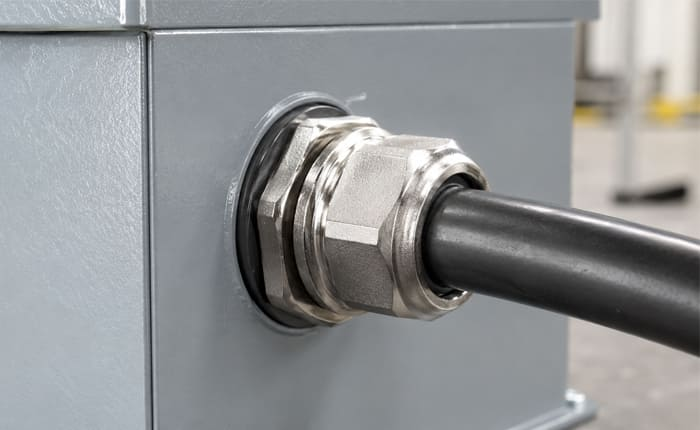
Threaded interface leakage was discovered after an aluminum enclosure passed its cover-gasket inspection but still lost pressure during testing.
The cover, gasket groove, and sealing face showed no defects. A bubble test eventually identified a cable-entry thread as the actual leak path.
The threaded component felt tight, but mechanical tightness had not created a waterproof seal.
How Water Followed the Thread
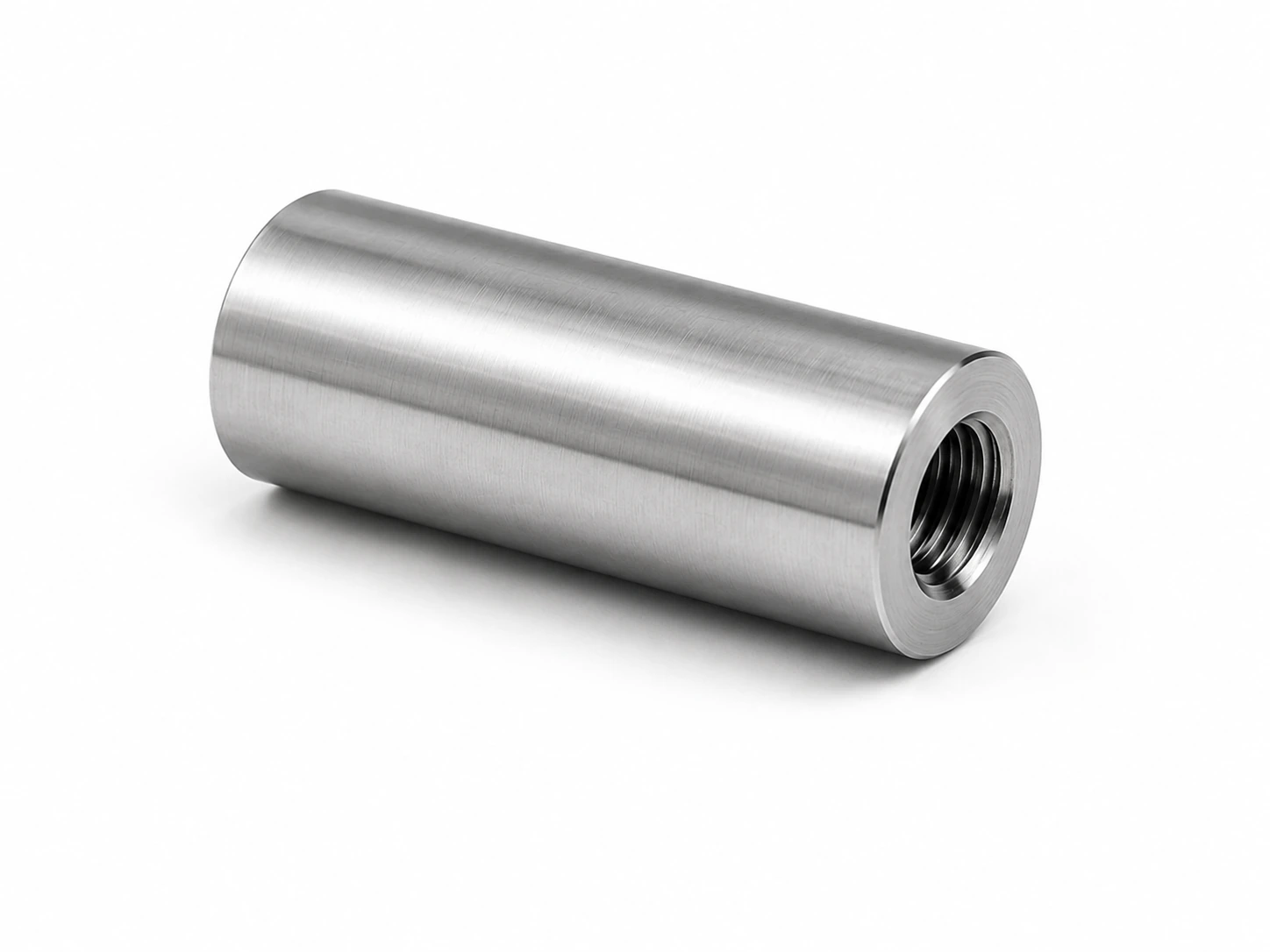
Straight machine threads normally contain a continuous helical clearance between the male and female profiles. Water or air can travel through this path even when the threads are dimensionally correct.
In this case, the connector relied on a sealing washer beneath its shoulder. The thread was intended to provide clamping force, while the washer formed the actual seal.
The machined spot face was slightly tilted relative to the threaded hole. As the connector was tightened, the washer compressed more on one side and left a narrow leakage path on the other.
Checking More Than the Thread Gauge
The internal thread passed the plug-gauge inspection. However, a gauge could not confirm the condition of the complete sealing interface.
The inspection was expanded to include thread perpendicularity, usable engagement length, spot-face flatness, surface finish, entry chamfer, and clearance around the connector shoulder.
The thread depth also had to provide enough space for the connector to compress the seal before reaching the hole bottom.
Correcting the Port Geometry
The threaded hole and its sealing seat were machined from the same setup to maintain alignment.
A controlled spot-facing operation produced a flat, continuous contact surface. Tool marks crossing the sealing boundary were minimized, and burrs around the thread entrance were removed without rounding the sealing seat.
For blind ports, the drilling and tapping depths were reviewed to prevent the connector from bottoming out. For through-holes, the internal opening was checked for burrs that could interfere with assembly or release contamination into the enclosure.
Selecting the Correct Sealing Method
The sealing method was matched to the connector design.
Parallel threads used a gasket, bonded washer, O-ring, or specified thread sealant. Tapered threads depended on controlled thread interference and an approved sealing compound.

Sealant was applied in a controlled amount. Too little could leave a continuous leakage path, while excessive material could enter the enclosure or contaminate internal components.
The assembly instruction also specified installation torque because both insufficient and excessive tightening could damage the seal.
Testing the Finished Assembly
The corrected port was assembled with the specified connector, seal, torque, and curing time. Pressure testing was performed after the sealant had reached its required condition.
The enclosure maintained pressure, and no bubbles appeared around the threaded interface. Repeated assembly trials also produced consistent sealing performance.
This case shows that threaded interface leakage cannot be prevented by thread accuracy alone. Thread geometry, sealing-seat condition, connector engagement, sealing material, torque, and testing must be controlled as one system.
We manufacture waterproof CNC enclosures with threaded cable ports, connector seats, gasket grooves, and sealing surfaces. Send us your drawing, connector specification, protection requirement, and leak-test standard for a manufacturability review.