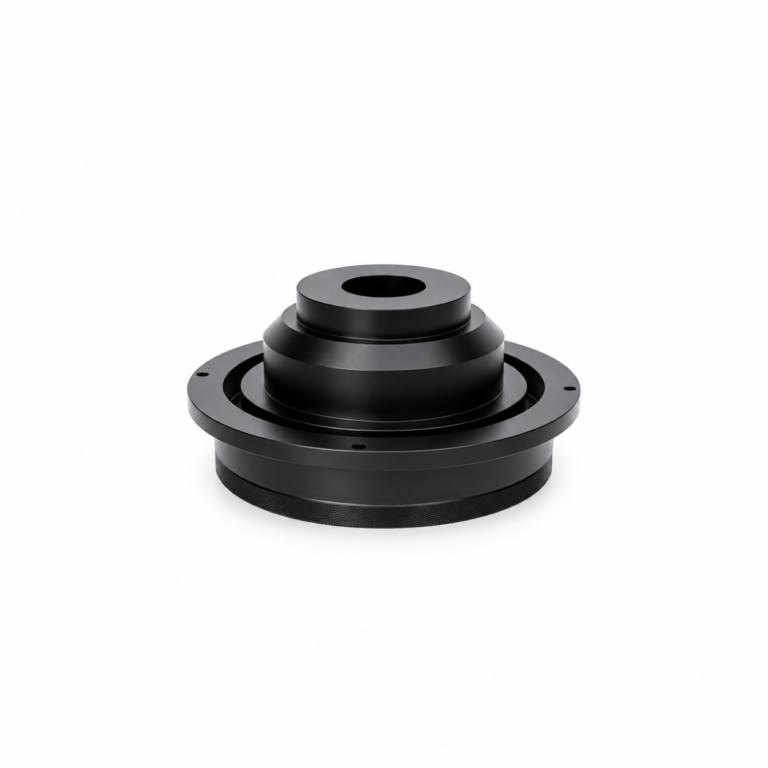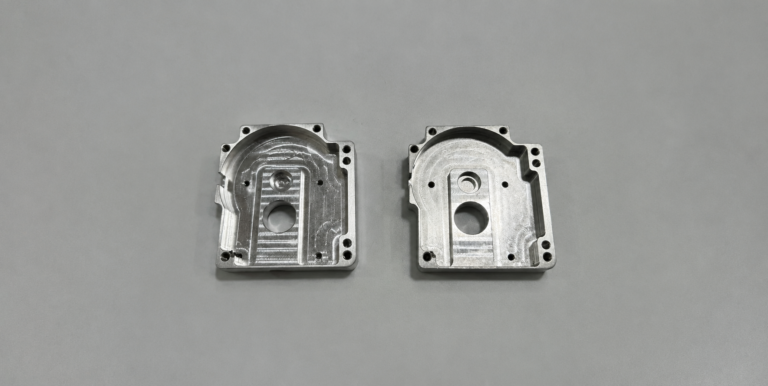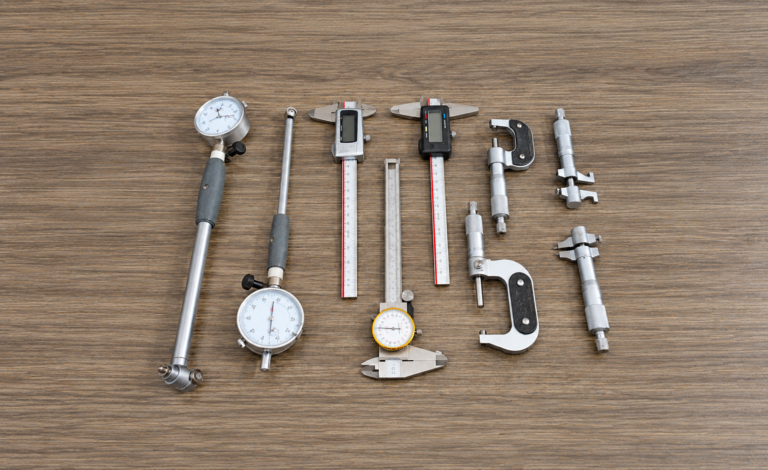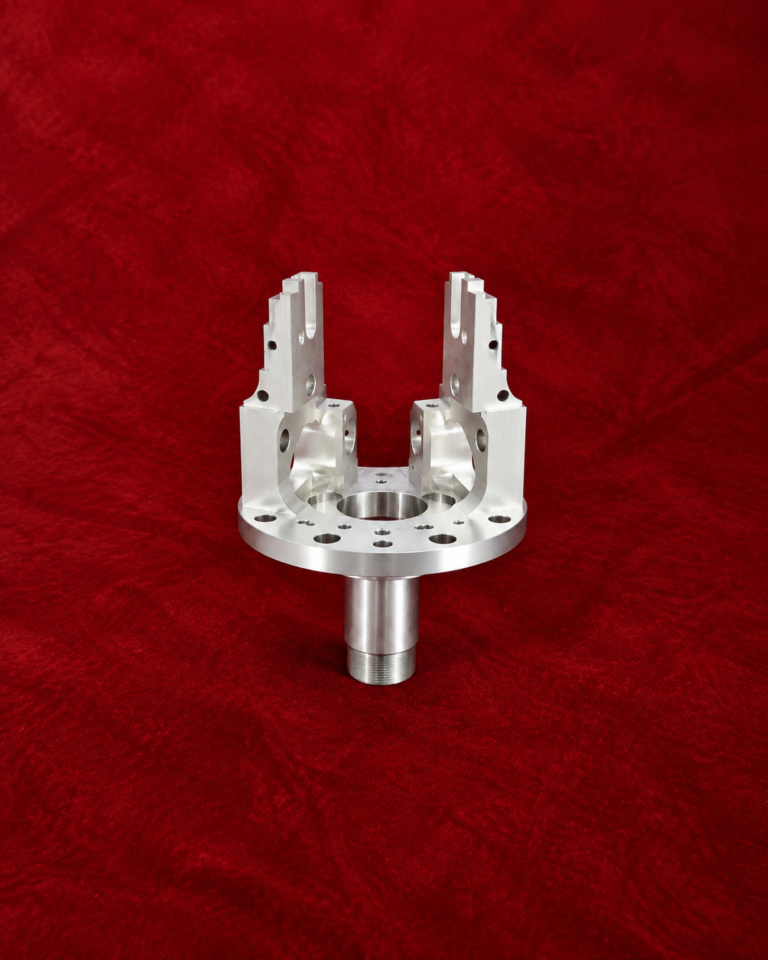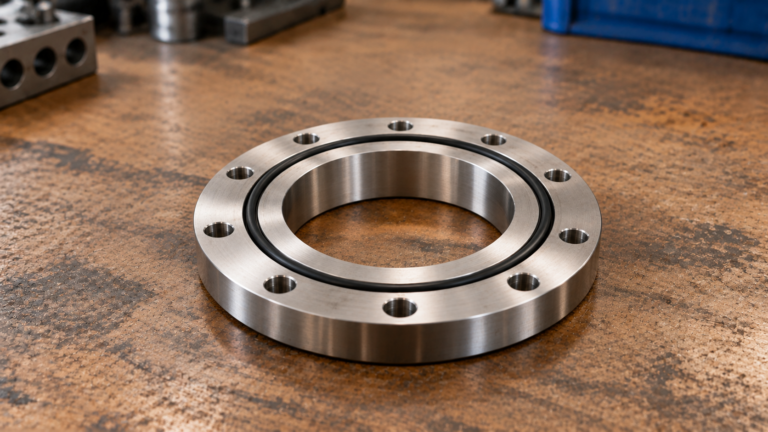
low volume CNC machining prototype service
Low-Volume CNC Machining: Advantages, Applications, and Design Tips
What Is Low-Volume CNC Machining?
Low-volume CNC machining is a strategic approach aimed at producing small to medium quantities of products—typically ranging from 10 to 10,000 units, though this range can vary significantly among manufacturers. For some, low-volume production might mean 100 to 1,000 units, while others might consider several thousand units to fall within this category.
As with mass production, the goal is to manufacture parts cost-effectively. However, the production scale is more controlled, offering greater flexibility, rapid turnaround times, and minimal investment.
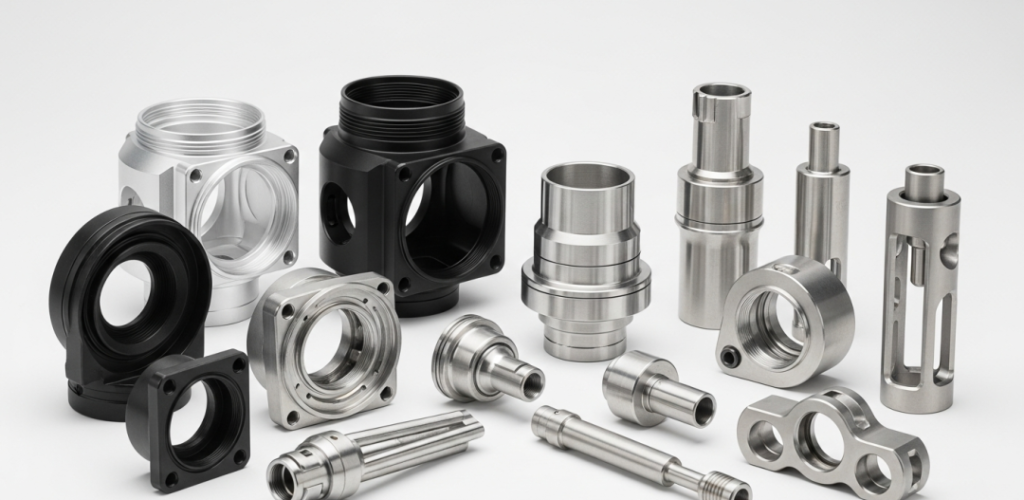
Advantages of Low-Volume CNC Machining
Low-volume CNC machining is popular due to its many advantages. Below is a detailed list of how it benefits both product owners and manufacturers:
Cost-Effective Low-Volume Production
While mass production does lower the cost per unit, the setup costs (for tooling and equipment) at that scale can run into the thousands of dollars. In contrast, low-volume production requires only a few CNC machines to manufacture the parts.
Producing large inventories requires significant investment, which poses a financial risk for small businesses. Therefore, from the perspective of a new enterprise, low-volume production is a cost-effective choice.
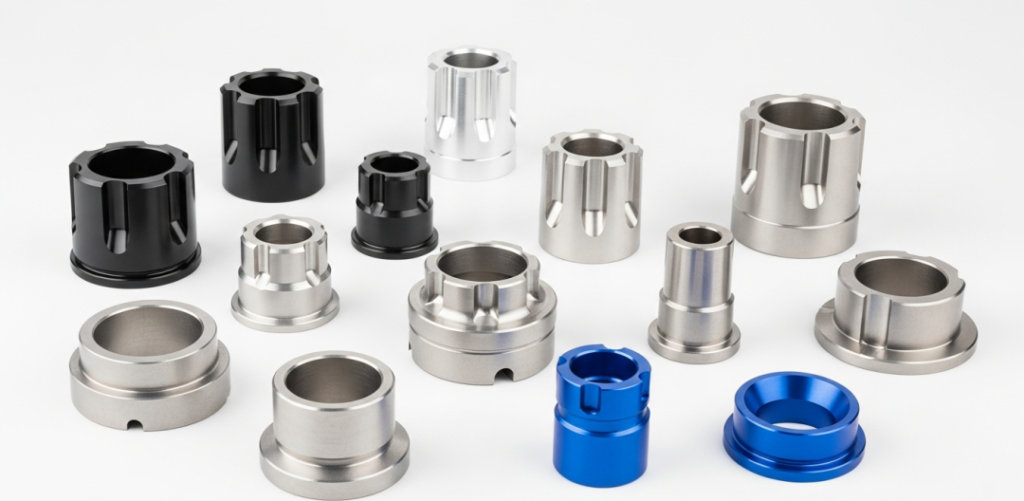
High Precision and Consistency for Custom Parts
Smaller quantities allow for greater attention to each part, ensuring they meet precise specifications. For example, aerospace components requiring high precision and rigorous inspection are often produced in small batches.
Regarding consistency, because the parts are manufactured using programmed CNC systems, designs can be replicated with the utmost precision and accuracy.
Reduced Time-to-Market
With low-volume CNC machining, manufacturers do not need to wait for a full-scale production run to complete. Instead, small batches can be produced quickly; this allows for testing, design adjustments during the trial phase, and rapid refinement. Consequently, low-volume CNC machining enables faster development and market entry.
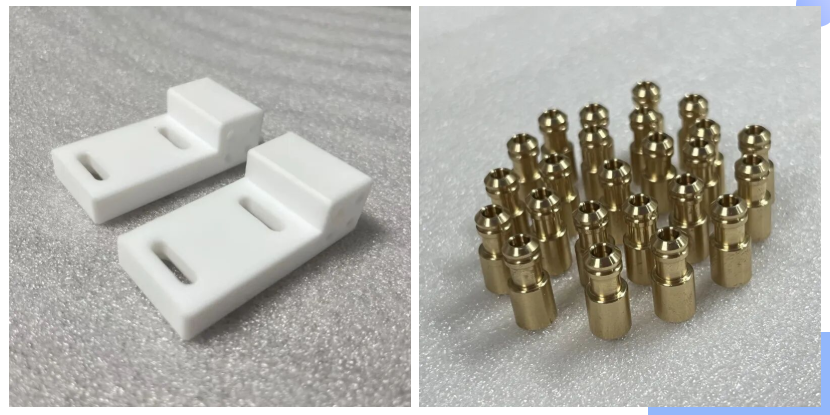
Manufacturing and Design Flexibility
Smaller batch sizes make it easier to adjust designs during the production process without incurring significant cost implications. For example, an automotive company might test various geometries for a specific component during a low-volume production run to determine the optimal design before committing to mass production.
Furthermore, low-volume production offers manufacturers the opportunity to test and fine-tune manufacturing workflows—specifically, by establishing machining processes and the most efficient sequence of operations.
Reducing Inventory Risk
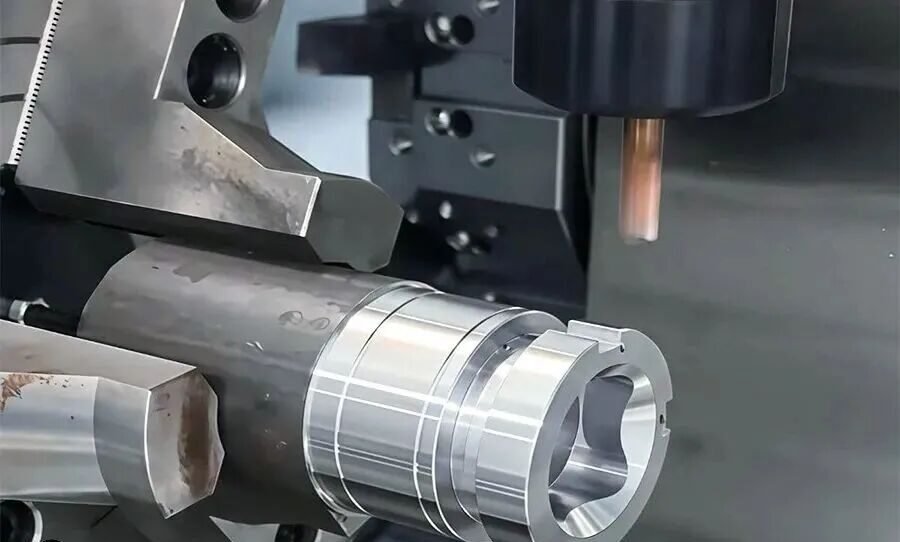
Low-volume production functions more like an on-demand CNC machining method, aligning output closely with actual demand rather than relying on forecasts for mass production. Instead of manufacturing thousands of units based on projected needs, you can produce smaller batches as required.
With reduced inventory levels and significantly lower financial risk, businesses can quickly adapt to market trends or switch designs without the burden of excess product stock.
Tips for Reducing Low-Volume CNC Machining Costs
The primary goal of low-volume CNC machining is to keep costs manageable for businesses and manufacturers.
The following practices can help you optimize your approach:
Optimize for Design for Manufacturability (DFM)
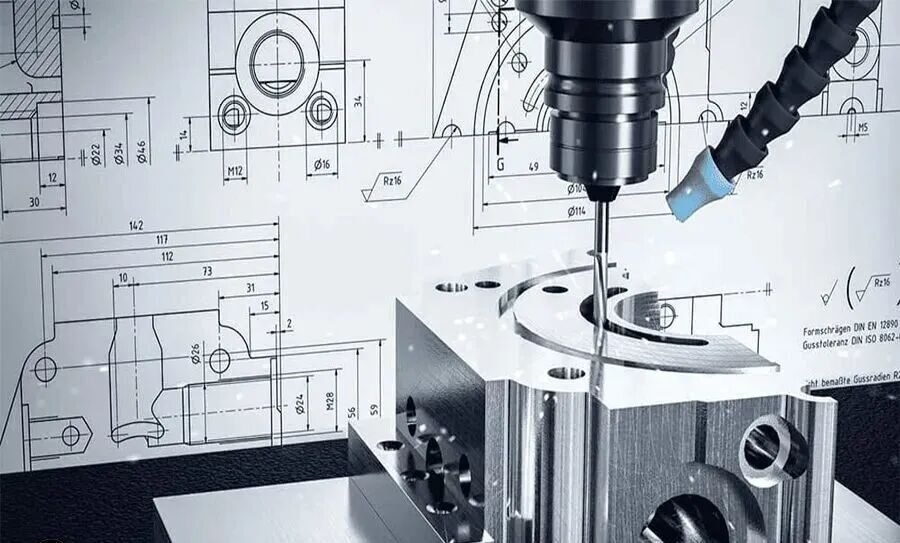
When optimizing a design for manufacturing, a fundamental recommendation is to use standard dimensions and geometries. For instance, avoid designing holes with depths exceeding six times their diameter, as this complicates chip evacuation and necessitates expensive tooling. Eliminate non-critical features or unnecessary complexities to make the machining process simpler and more cost-effective.
Use Standard Tooling and Fixtures
Avoid custom tooling and fixtures unless absolutely necessary. Instead, opt for standard tools, which are readily available and less expensive. Standard tools require shorter setup times and are compatible with multiple machines; examples include modular fixturing systems and standard CNC cutting tools.
Select Cost-Effective Materials
While material selection should always be based on the application, cost and machinability are key factors. Softer materials—such as aluminum or plastics—are easier and cheaper to machine than harder materials like titanium. Choosing the wrong material can significantly drive up costs and complicate the machining process.
Limit Secondary Operations
Secondary operations—such as polishing, anodizing, or engraving—add time and expense. Minimize these steps unless they are essential for functionality or aesthetics.
Utilize Multi-Part Machining
Multi-part machining involves processing multiple components using a single setup. This technique can reduce transition times and improve efficiency. For example, if you need to produce multiple identical brackets, you should devise a strategy or mechanism to cut multiple parts from a single piece of material.
Batching Similar Parts
While low-volume machining allows for customization, costs are optimized when producing a batch of similar parts. Different parts require separate setups, tooling, and programming, which increases the cost per unit.
Avoid Tight Tolerances
While tight tolerances are sometimes essential, they come at a high cost from a manufacturing perspective. Achieving precise tolerances may require slower machining speeds, specialized tooling, and frequent quality inspections.
What is the ideal quantity for low-volume CNC machining?
Definitions of “low-volume” vary among manufacturers. Some classify it as 1 to 100 units, while others extend the range up to 1,000 units. Generally, any quantity under 10,000 units is considered suitable for low-volume CNC machining.
How long does it take to complete a low-volume CNC job?
The timeline depends on the quantity and complexity of the parts required. For a single product, service providers like Ningbo Hexin can offer lead times as short as one day. However, on average, low-volume CNC projects take a few weeks to complete.
What are the best materials for low-volume CNC machining?
When selecting materials, consider the intended application first, followed by machinability. Top choices for low-volume CNC machining include stainless steel, aluminum, brass, copper, acrylic, ABS, PVC, and PEEK.
What is the minimum achievable machining tolerance?
With CNC machining services—particularly those offered by Ningbo Hexin—you can achieve tolerances as tight as 0.0001 inches.