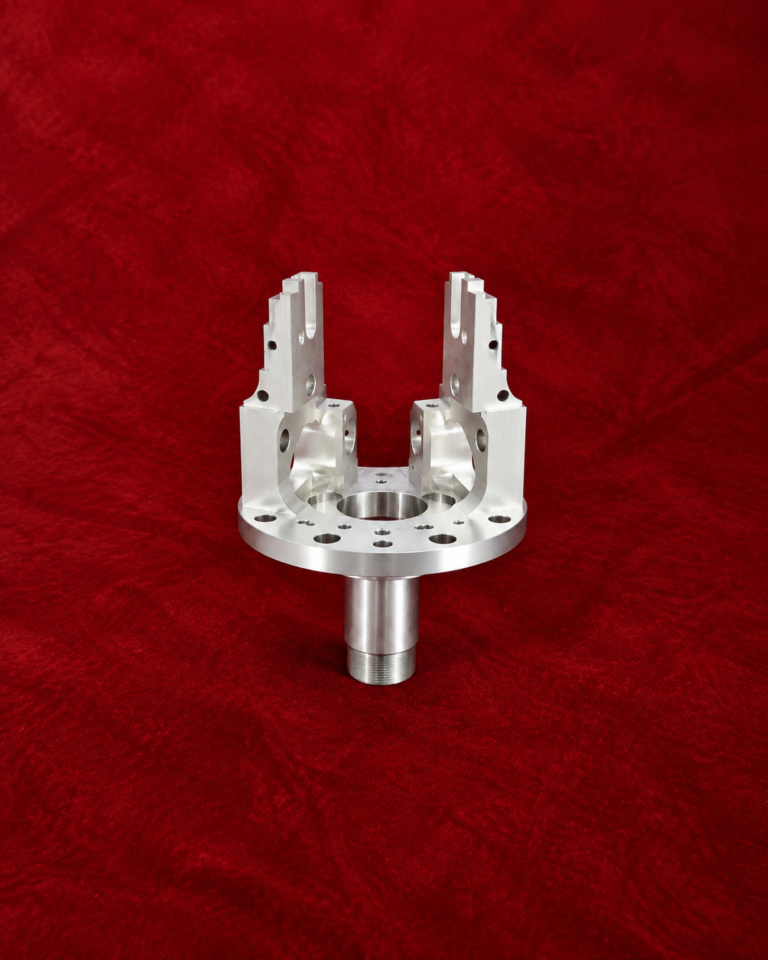
CNC Milling Services for the Aerospace Industry in Portland Oregon
CNC Milling Solutions for High-Precision Aerospace Parts
What Makes Precision Brass Milling Unique?
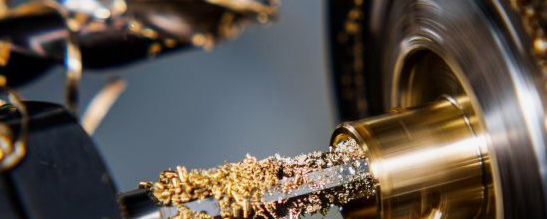
The brass milling process combines CNC technology with the material’s unique properties to produce parts that meet the strictest tolerance requirements. The process primarily involves two methods: face milling for machining flat surfaces, and peripheral milling for creating complex features such as slots and threads.
The inherent properties of brass distinguish it from alternative materials in industrial machining applications. Unlike steel or aluminum, brass does not work-harden during machining and yields clean, crisp cuts. This characteristic allows for machining cycles that are up to 94% faster than traditional machining speeds.
Key Equipment Requirements
Brass milling requires specific equipment configurations. Vertical milling machines excel at precision machining on a single plane, while horizontal milling machines offer the flexibility to machine parts on multiple faces.
Tool selection is equally critical. Flat-end mills are used for general cutting, ball-nose mills for creating smooth surfaces, and V-cutters for machining precise angles. Each tool requires calibrated feed rates and depths of cut to optimize material removal while preventing tool damage.
These two types of machines are used strategically based on the specific application. Vertical milling machines are employed for precision drilling and surface finishing, while horizontal milling machines are used for complex geometries requiring multiple cutting angles.

Brass Milling Tool Selection
Tool geometry plays a vital role in brass milling performance. Sharp cutting edges minimize material build-up, while appropriate cutting angles enhance chip evacuation, resulting in superior surface finishes.
Speed Advantages
Brass offers exceptional machining speeds, with material removal rates up to 20 times higher than those of traditional machining processes. This speed advantage translates directly into increased production efficiency.
In controlled turning operations, the maximum speed for 304L stainless steel is only 20% of the maximum speed achievable with brass. Even with 12L14 steel, performance is only 30% that of brass.
These speed gains compound throughout the production process. Higher output translates to lower unit costs and faster delivery times.

Dimensional Stability Under Stress
Aerospace components require consistent dimensions across varying temperature and stress conditions. Brass offers superior dimensional stability compared to most other materials.
The material’s thermal properties prevent deformation during machining. Internal stresses remain minimal, ensuring components stay within tolerance throughout their service life. This stability is critical for reinforced housings and precision assemblies, where dimensional deviations could compromise system performance.
Advanced industrial engraving techniques further enhance component identification and traceability for critical applications.
Implementing Best Practices
Proper clamping techniques are fundamental to successful brass milling. The workpiece must be held securely during high-speed rotation without inducing stresses that could affect final dimensions.
Optimizing feed rates requires careful calibration. Excessive feed rates accelerate tool wear, while overly slow rates negate the high-speed advantages offered by brass.
Coolant management is crucial during high-speed operations. Adequate coolant flow prevents heat buildup, thereby avoiding adverse effects on surface finish or dimensional accuracy.

Environmental and Cost Benefits
Milling brass offers unique environmental advantages. The process generates no waste, as all residual material and chips are 100% recyclable. This closed-loop process reduces waste disposal costs and environmental impact. Brass emits no harmful gases or chemicals during machining. A clean machining environment enhances worker safety and reduces ventilation requirements.
Specialized Grades for Specific Applications
Different brass alloys cater to specific manufacturing needs. C35300 offers excellent machinability, making it suitable for general applications. C36000 provides high strength, making it ideal for high-stress components. Alloy selection depends on the requirements of the final application; factors such as electrical conductivity, corrosion resistance, and mechanical strength are key considerations.
Integration of Quality Control
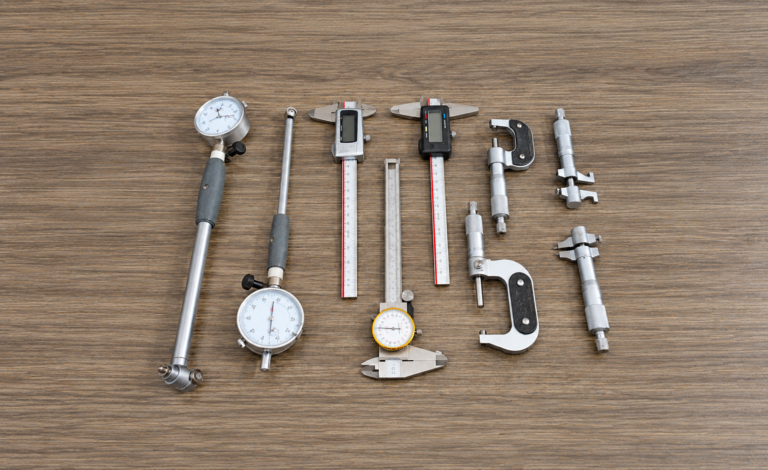
Brass milling integrates seamlessly with advanced quality control systems. The material’s stable properties ensure predictable measurement results and reliable statistical process control. First-article inspection procedures are effective for brass components, allowing for the verification of design compliance prior to full-scale production.
Brass milling technology continues to advance. New tool coatings extend tool life during high-speed machining, while improved CNC systems enable the production of workpieces with more complex geometries and tighter tolerances. These developments have expanded the application of brass milling across various industries requiring precision components.
Manufacturers in the aerospace and medical device sectors are increasingly specifying brass for critical applications. Combining speed, high precision, and environmental friendliness, brass milling has become a preferred manufacturing process for demanding applications.