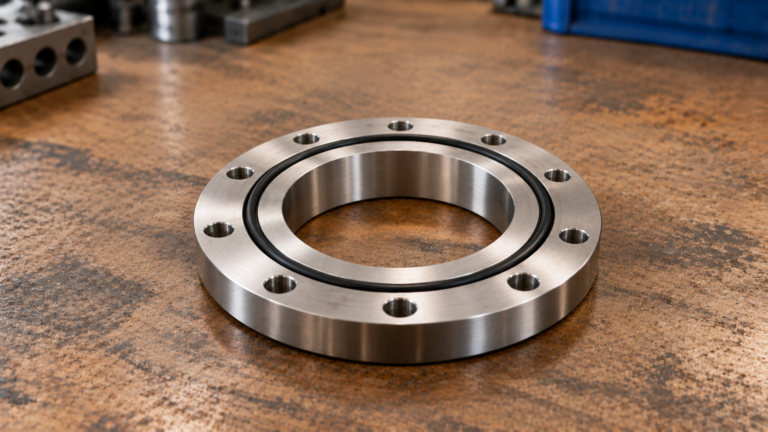
CNC Machining Process Standards (1–3)
1. Drawing Review
A thorough and detailed review of drawings is the foundation of the CNC machining process. It involves a comprehensive examination of the design to ensure its accuracy, manufacturability, and compliance with all relevant standards and specifications.
2. Technical Evaluation
A detailed evaluation of the most suitable machining techniques is conducted to optimize the manufacturing process. This evaluation takes into account factors such as part geometry, material properties, and production volume to ensure the highest product quality.
3. Programming and Verification
After precise programming of the CNC machine tool, a thorough verification process is carried out to eliminate any errors or inaccuracies. This step is critical to ensuring that the machine performs machining operations with the highest precision.
CNC Milling Services for Aluminum Products
CNC milling provides automated, computer-controlled material removal that delivers high precision, speed, and design flexibility
High Precision and Accuracy: Computer programs guide the cuts, achieving tight tolerances as small as 0.0001 inches (0.004 mm).
Consistent Quality: Automated uniformity ensures that every part in a large production batch matches the first.
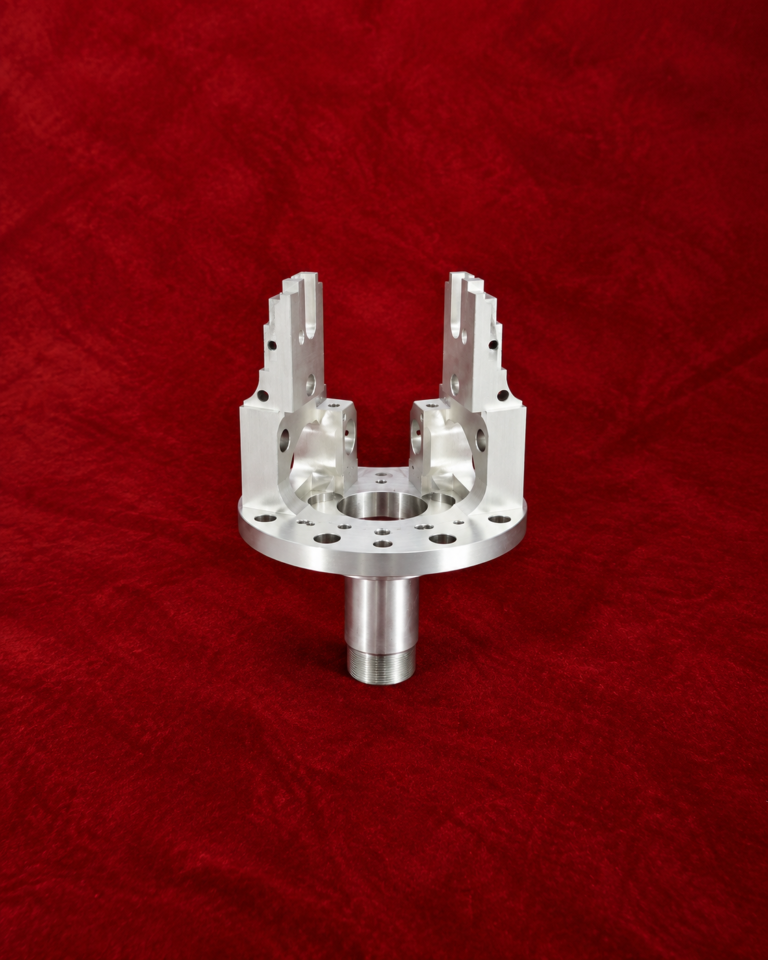
Complex Geometries: Multi-axis machines create intricate 3D shapes, curved surfaces, and internal cavities that manual tools cannot make.
Speed and 24/7 Efficiency: These machines run continuously around the clock, reducing lead times and boosting output.
Reduced Labor Costs: Automation limits the need for constant human control, lowering error rates and labor requirements.
Material Versatility: Systems work with many materials, including metals (aluminum, titanium), plastics, and composites.
Minimal Waste: Optimized tool paths reduce scrap and improve resource efficiency.