How Root Cause Analysis Prevents Repeat CNC Quality Problems
Root cause analysis in CNC machining identifies why a quality problem occurred instead of correcting only the affected parts.
Reworking or replacing defective components solves the immediate issue, but the same problem may return if its actual cause is not identified and controlled.
Containing the Immediate Problem
The first step is to prevent the problem from affecting more parts or shipments.
Related work-in-progress and finished parts are identified and separated. Production may be paused while the team checks the drawing, machine setup, tools, material, inspection records, and affected batch.
Containment protects the current order but is not the final corrective action.
Finding the Actual Cause
The team collects information about when, where, and how the issue occurred.
Useful evidence may include:
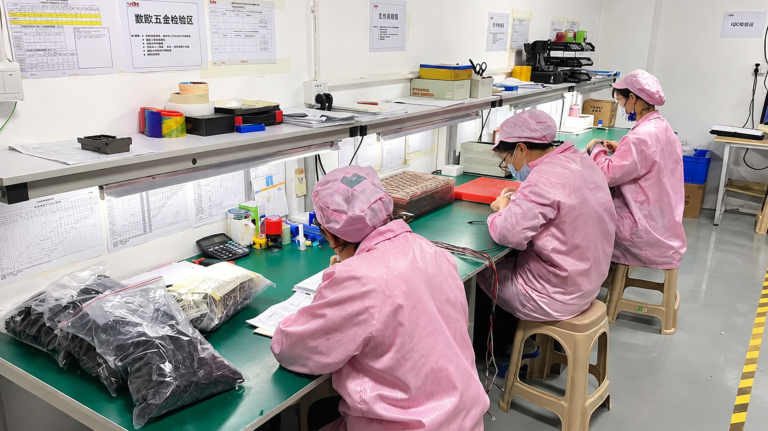
- Dimensional inspection results
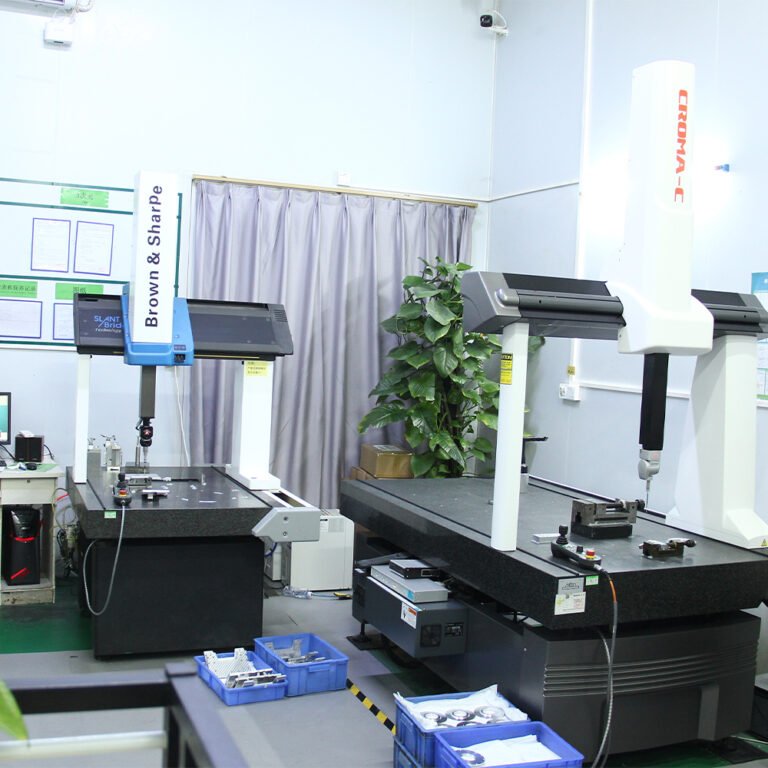
- Machine and tool records
- Program revisions
- Fixture condition
- Material information
- Operator observations
- Previous production results
Methods such as the 5 Whys or cause-and-effect analysis can help examine possible factors involving machines, tools, materials, methods, measurement, and personnel.
The goal is to find a cause supported by evidence rather than relying on assumptions.
Implementing Corrective Actions
Corrective actions must address the confirmed cause.
For example, repeated dimensional variation may require a revised tool-replacement interval, improved fixture positioning, updated inspection frequency, or corrected machining parameters.
An incorrect part caused by an outdated drawing may require stronger revision control rather than simply reminding the operator to be more careful.
The action should be clear, practical, and connected directly to the identified cause.
Verifying the Result
After corrective action is implemented, new parts are produced and inspected.
The team checks whether the problem has been removed without creating a new risk. Production results may be monitored across several parts or batches before the action is considered effective.
If the issue returns, the analysis must be reviewed again.
Preventing the Problem from Returning
Once the corrective action is verified, related production documents are updated when necessary.
Updates may include:
- Work instructions
- Inspection plans
- Tool-life limits
- Machine settings
- Fixture requirements
- Drawing revision controls
- Operator training records
Applying the improvement to similar parts or processes can prevent the same issue from appearing in another order.
Building a More Stable Process
Root cause analysis turns a quality problem into a process improvement opportunity.
By containing the issue, reviewing evidence, confirming the cause, implementing corrective action, and verifying the result, manufacturers can reduce repeated defects and maintain more stable CNC production.
Start Your CNC Machining Project
Send us your drawings, material, quantity, tolerances, and inspection requirements. The iPrecision CNC team will review your project and provide a quotation.