Common CNC Machining Quality Problems and How to Prevent Them

CNC machining quality problems may affect part dimensions, appearance, assembly, and function.
Most problems can be reduced through drawing review, stable machine setup, suitable cutting tools, in-process inspection, and careful part handling.
Dimensional and Assembly Problems
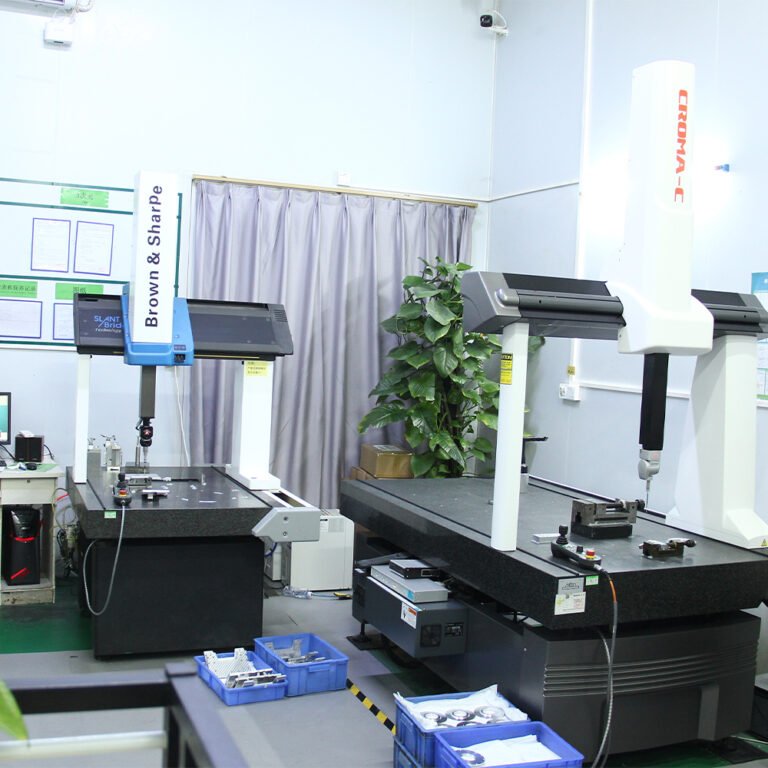
Dimensional errors may result from tool wear, incorrect offsets, fixture movement, temperature changes, or measurement errors.
Hole size, hole position, thread depth, bearing fits, and mating dimensions can directly affect assembly.
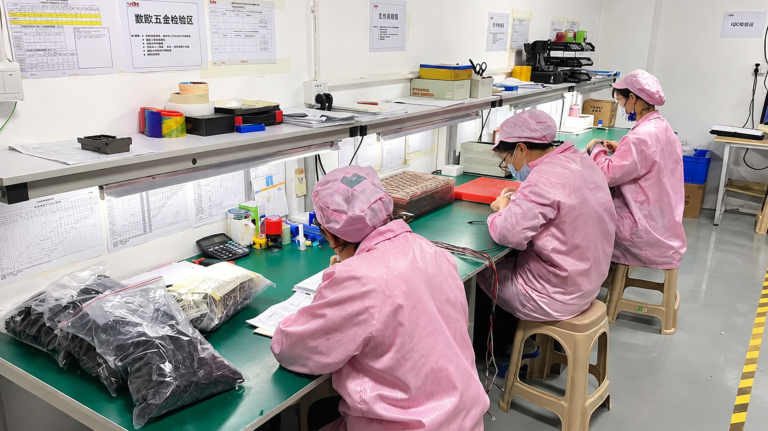
Before batch production, the first part is inspected to confirm the program, setup, tools, and measurement method. Critical dimensions are then checked during production to identify gradual changes early.
Cutting tools and offsets are adjusted or replaced when inspection results show a dimensional trend.
Burrs and Surface Problems
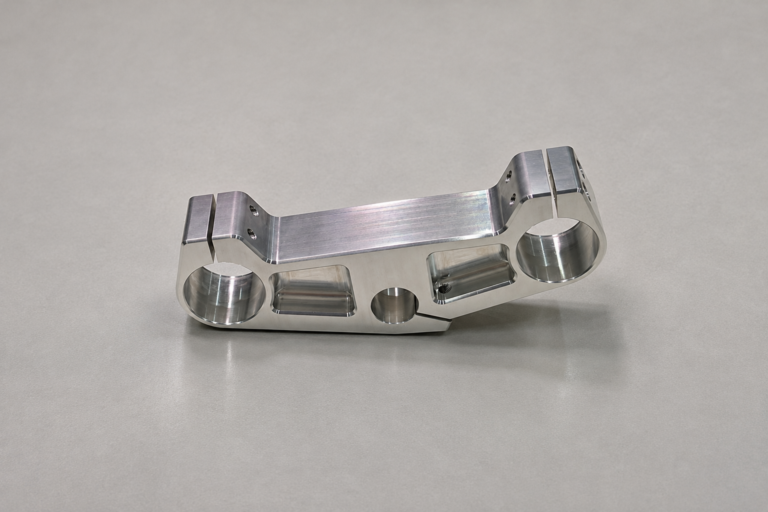
Burrs commonly appear around holes, threads, slots, cross holes, and machined edges. Poor surface finish may result from tool wear, vibration, unstable clamping, incorrect cutting parameters, or chip buildup.
Suitable tools and machining parameters help control these problems. After machining, parts are deburred according to their geometry and tolerance requirements.
Internal passages require particular attention because loose chips or burrs may remain in areas that are difficult to see.
Finished surfaces are visually inspected, and surface roughness is measured when specified on the drawing.
Deformation and Handling Damage
Thin walls, long parts, deep pockets, and components with heavy material removal may deform during or after machining.
Balanced cutting, suitable clamping force, controlled machining sequences, and stress-relief processes can reduce deformation. Dimensions should be checked after the part is released from the fixture.
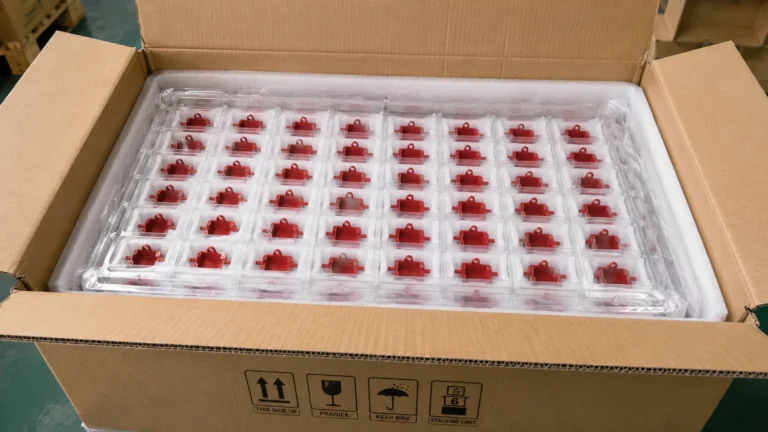
Scratches and dents may also occur during production, inspection, finishing, or packing. Trays, foam, bags, and protective wrapping help prevent direct contact between parts.
Preventing Quality Problems from Returning
When a defect is found, affected parts are separated and the cause is reviewed.
The team checks the drawing, program, tools, fixture, material, measurement method, and handling process. Corrective actions are then verified on new parts before production continues.
Work instructions, inspection plans, tool limits, or handling methods are updated when necessary.
Drawing review, first-piece approval, in-process inspection, final checks, cleaning, and protective packaging work together to reduce repeated CNC machining quality problems.
Start Your CNC Machining Project
Send us your drawings, material, quantity, tolerances, surface finish, and inspection requirements. The iPrecision CNC team will review your project and provide a quotation.